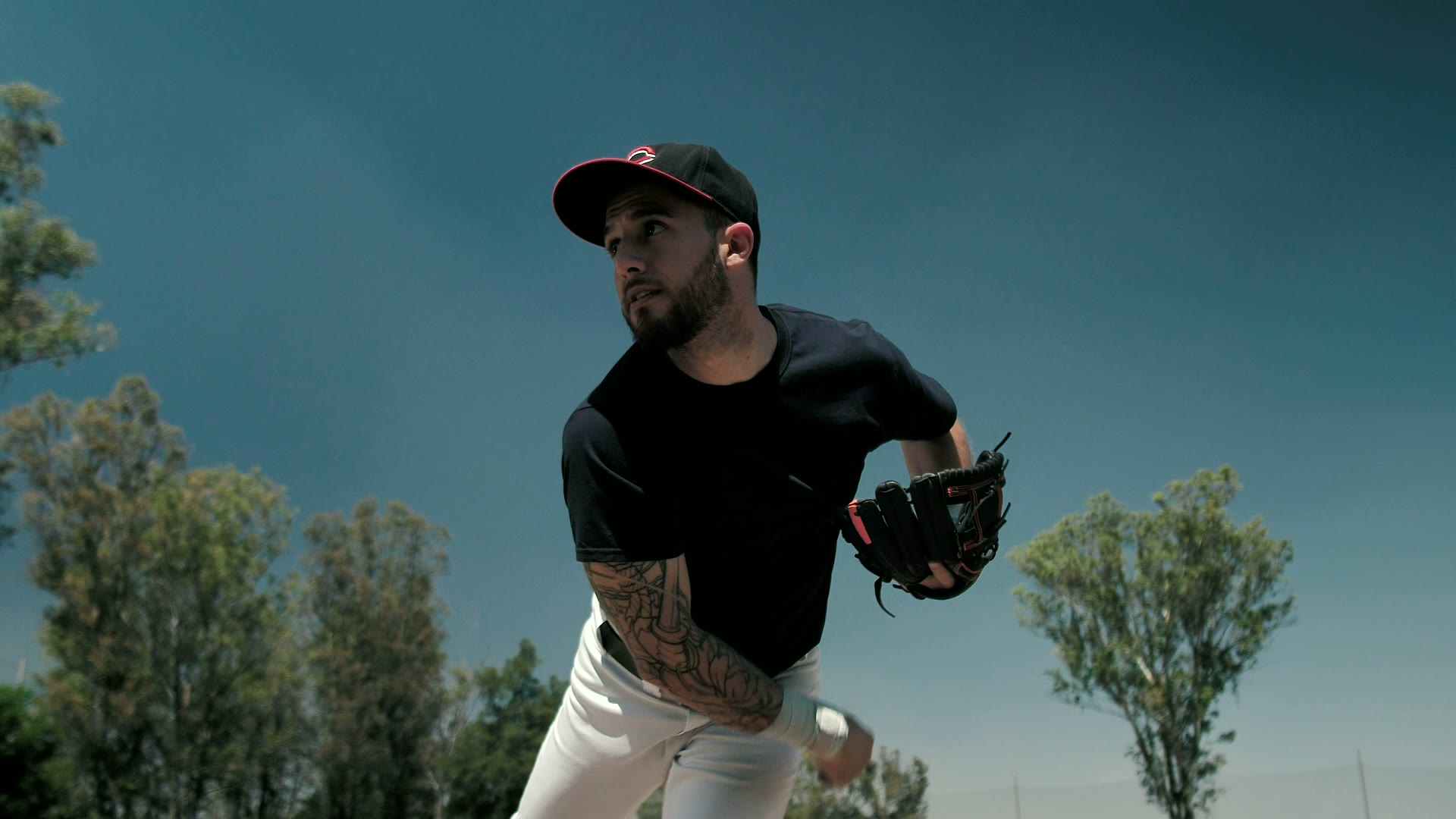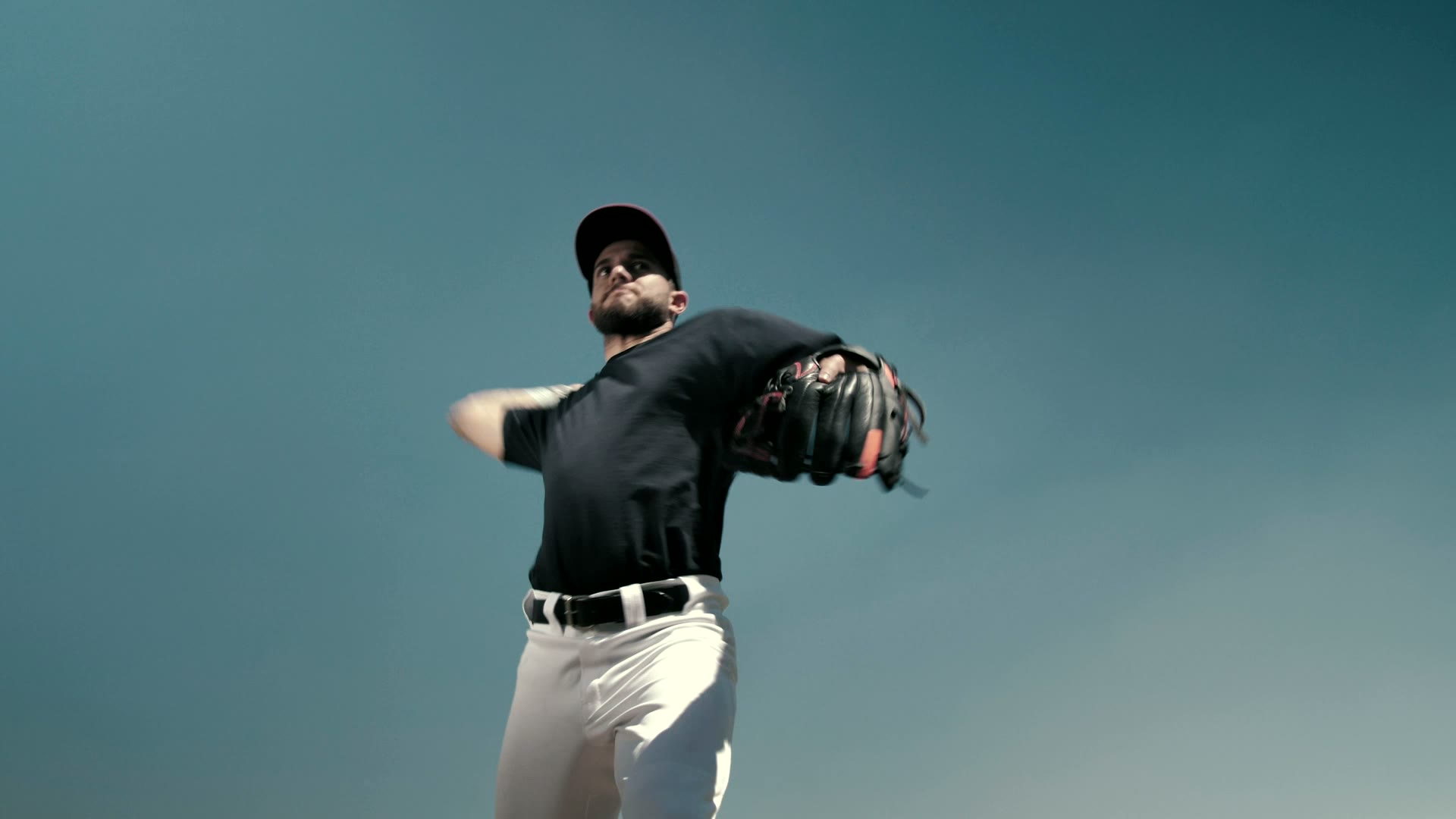

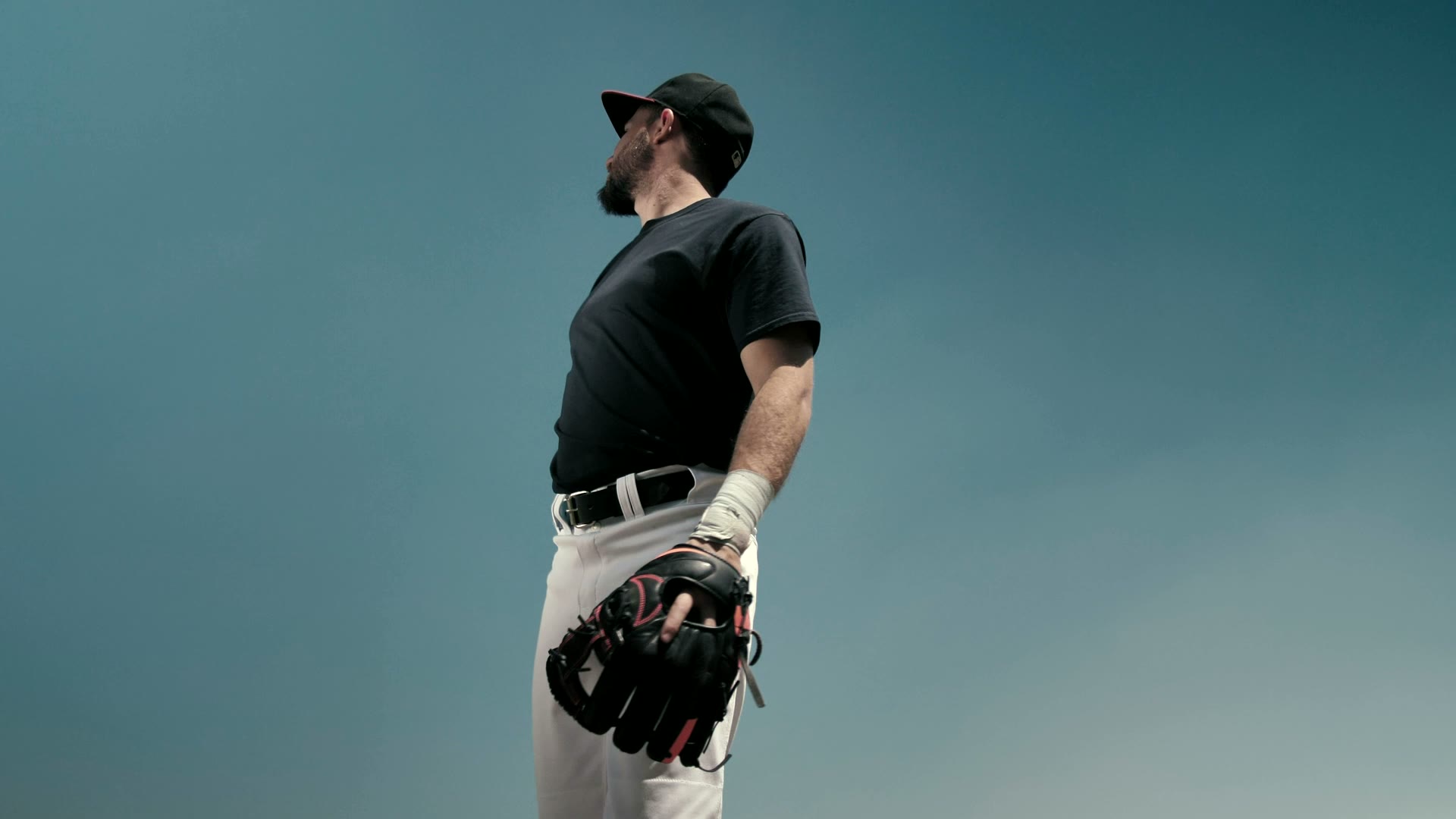
There is no single right age for a kid to start pitching lessons. Many families begin when their child starts pitching in real games, because that is when good habits start to matter and bad ones start to stick. The best time is when your child is interested, can follow simple instructions, and has a coach who puts fun and arm safety ahead of velocity. Structured baseball pitching lessons can then build a delivery that grows with them.
What age should kids start pitching lessons?
Age is less important than readiness. Look for these signs:
- They want to pitch. Lessons work best when the player asks for them, not only the parent.
- Their league has moved to kid pitch. Once they are on the mound in games, mechanics start to matter.
- They can focus for a short session. A 30-minute lesson needs a player who can listen, try something, and try it again.
- They are frustrated with control. Walks and wild pitches often mean the delivery needs structure.
- They play catch willingly. Lessons build on a basic love of throwing.
What pitching lessons for 10 year olds look like
At around this age, lessons should feel like skill-building, not a workout. Coach Cinz keeps sessions active and simple, with a focus on:
- Balance at the top of the leg lift.
- Stride direction toward the target.
- A relaxed arm path that follows the body.
- A full follow-through so the body, not just the arm, finishes the pitch.
- Throwing strikes with a fastball, and no rush toward breaking pitches.
Parents often notice that he explains the “why” behind each adjustment and is patient with kids who learn differently. That matters at this age, when confidence can rise or fall with every outing.
How lessons change as players get older
Younger players
The priority is athletic movement, fun, and a basic delivery. Short sessions, lots of variety, and plenty of success keep kids coming back.
Middle-school ages
Players are ready for more detail: timing between the hips and shoulders, repeating the delivery from the stretch, and building command. This is also when many start asking how to throw harder safely, and the answer is still mechanics first.
High school and beyond
Lessons can add pitch development, game plans and mental routines. Coach Cinz spent five years before the pandemic as an instructor with the Chicago White Sox organization, working mainly with pre-draft players, so he knows what older pitchers need to keep improving.
Keeping young arms safe
Starting lessons early should mean safer pitching, not more pitching. We recommend every family follow the MLB and USA Baseball Pitch Smart guidelines for age-appropriate pitch counts and rest days. A few more rules we live by:
- A sore arm rests. Stop throwing for the day if your child reports soreness.
- For pain or injury, see a doctor or athletic trainer before throwing again.
- Encourage other positions and other sports, especially for younger players.
- Count every outing, including travel teams, rec leagues and backyard sessions.
What you can do at home before lessons
You do not need a mound to help. Regular, relaxed catch builds arm strength and accuracy. Our list of backyard pitching drills for kids gives you simple, safe drills to try, and our guide to pitching control and accuracy helps once your child is throwing to a target.
For a wider look at development at this age, including hitting and fielding, visit our youth baseball training page.
How often should young pitchers take lessons?
For most kids, consistency matters more than volume. A steady rhythm of lessons with short, focused practice at home in between tends to work better than cramming several sessions into one week before tryouts. The off-season is a great time to build mechanics, because there is no pressure to perform in games. During the season, lessons can shift toward maintaining the delivery and building confidence on the mound.
Group settings help too. A pitching clinic lets kids learn alongside teammates, which many younger players find more fun than one-on-one work at first.
How to choose a pitching coach for a young player
- Do they ask about your child’s goals before they coach?
- Do they talk about arm care and rest, not just velocity?
- Can they explain changes in plain words a kid understands?
- Do they build confidence as well as mechanics?
Start with a free Benchmark
Not sure if your child is ready? The free Benchmark Process answers that question. Your athlete shares their goals online, current metrics are measured with the coach, and you get a plan built around what they want. Start Benchmark Step 1, or read more about our pitching lessons for kids and teens.