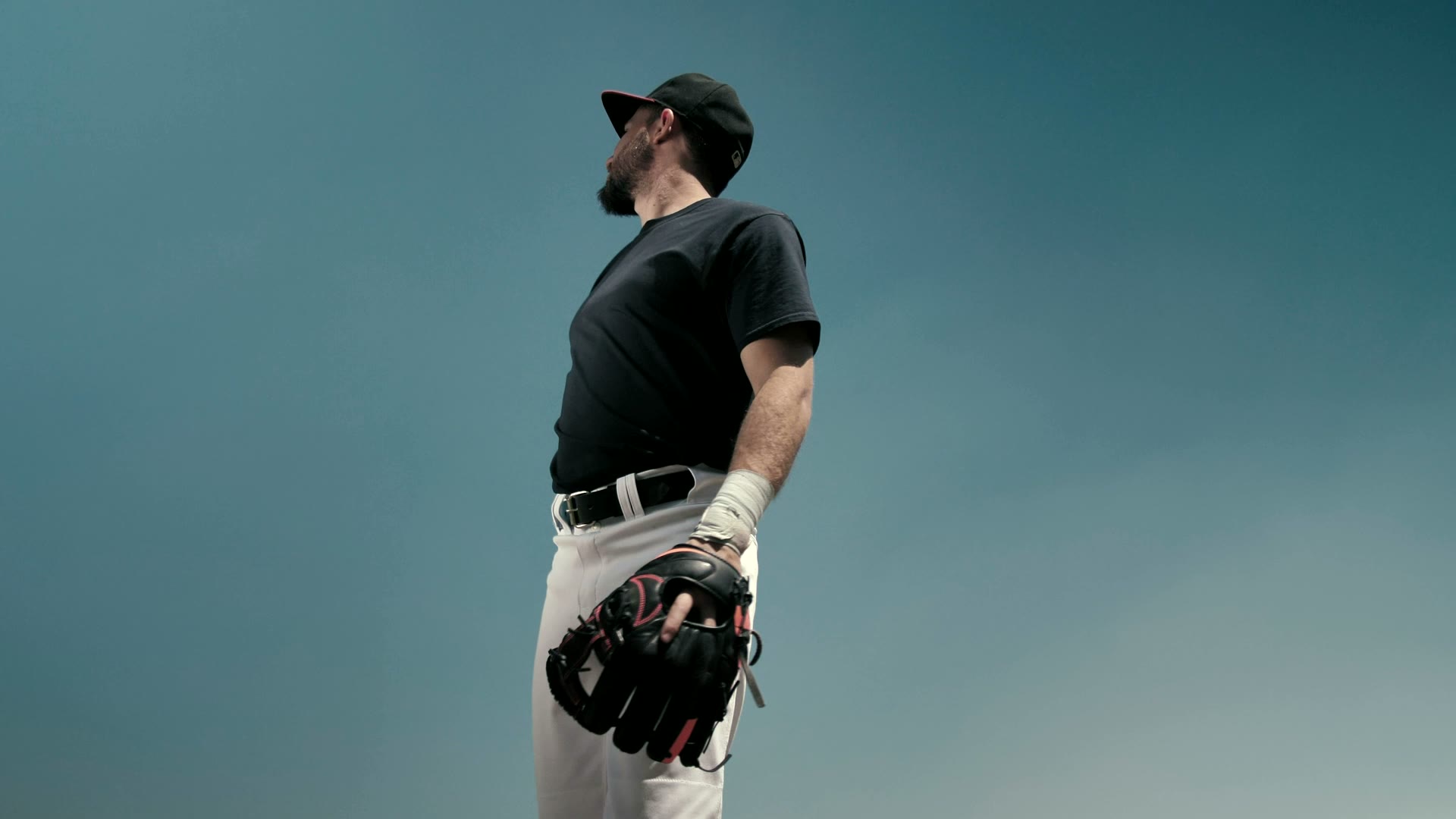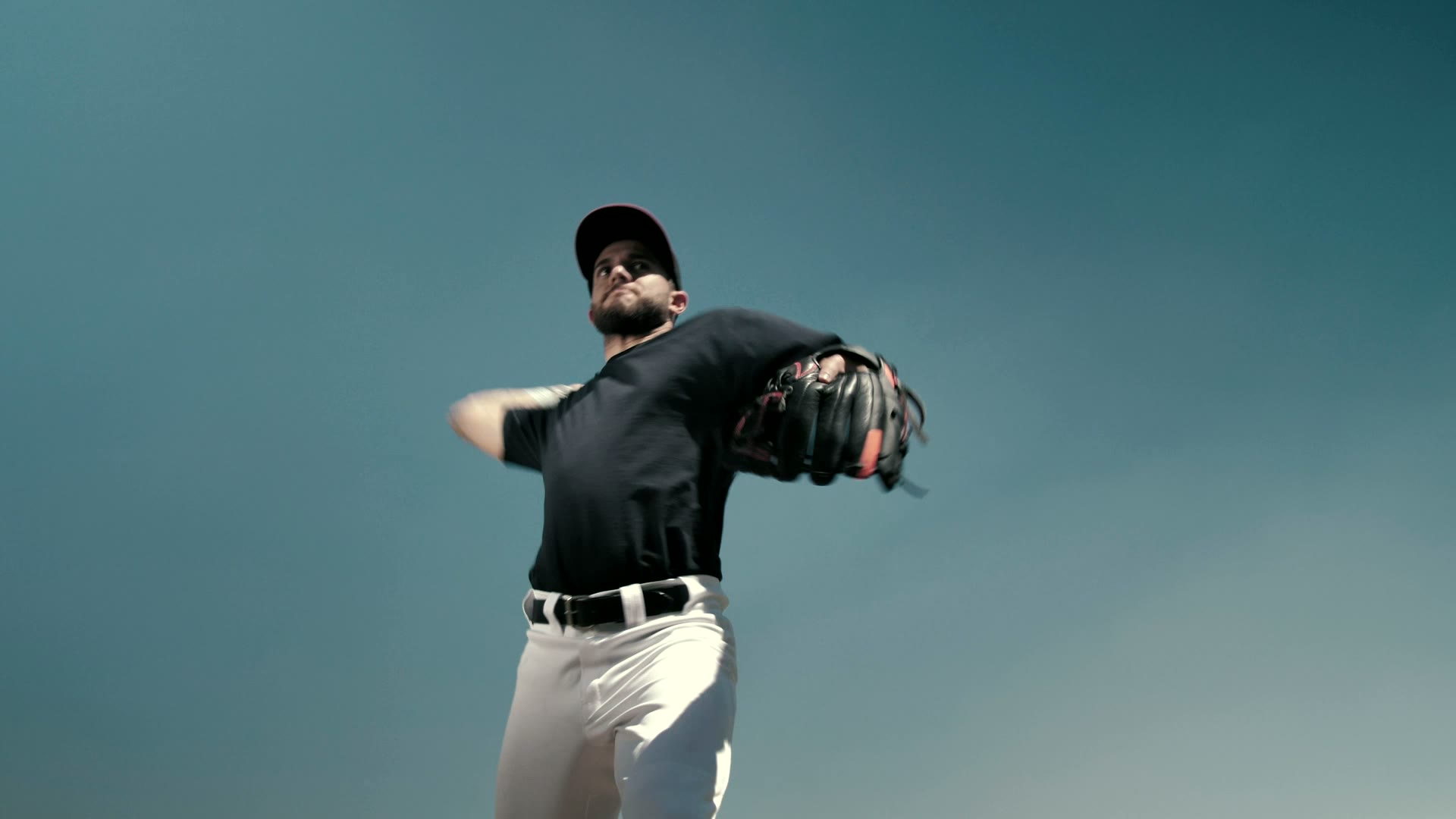

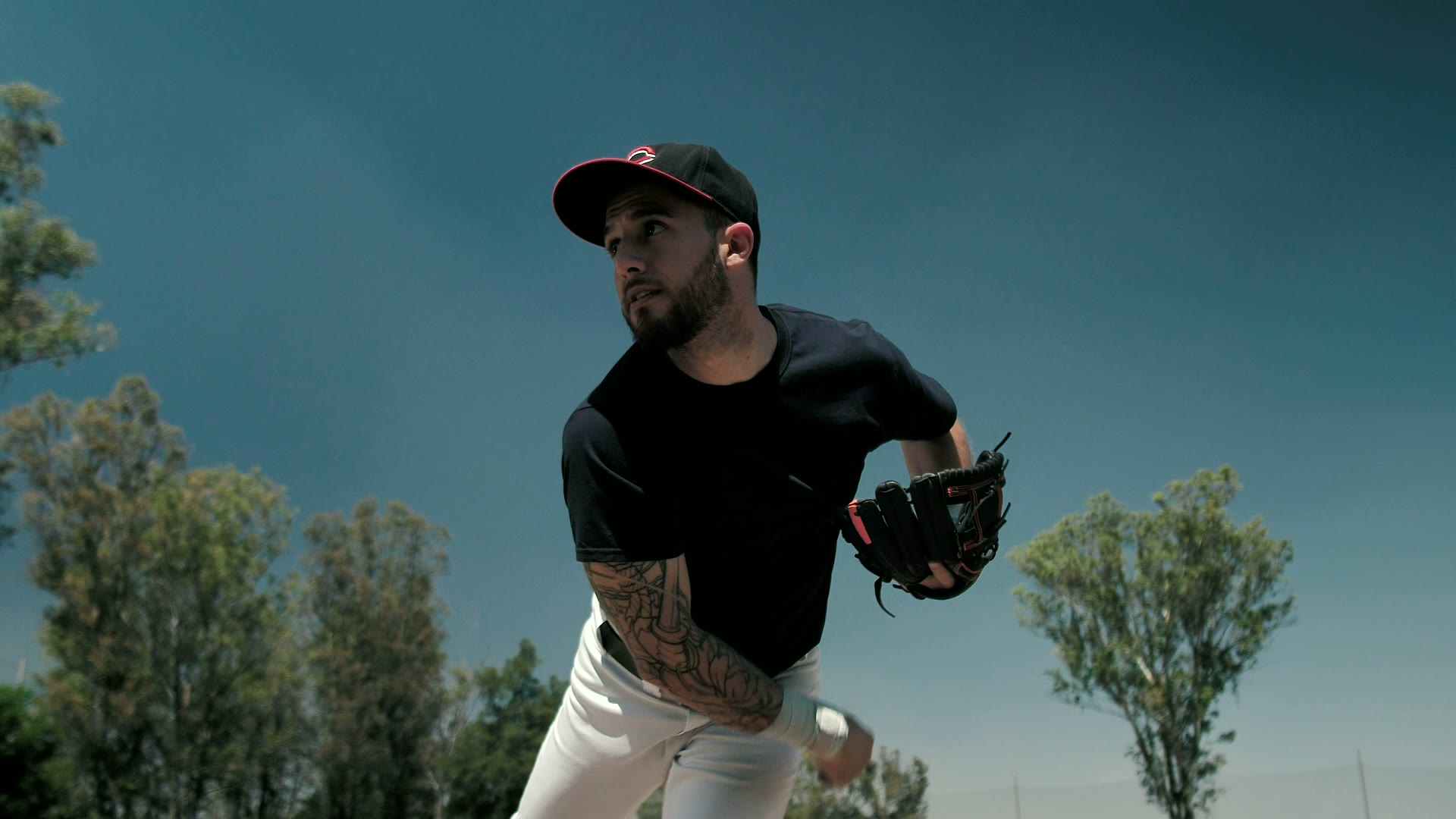
The safest way to throw harder in baseball at 12 is to improve how the body moves, not to throw more or throw at max effort. Velocity comes from the legs, hips and trunk working in sequence, with the arm finishing a motion the body started. Clean up balance, stride and timing first, and speed usually follows. That is the core of our baseball pitching lessons for young players.
Twelve is an age when many players start asking about velocity. It is also an age when bodies are changing quickly, so the goal is to build a delivery that can handle more speed later, not to squeeze every mile per hour out of the arm right now.
How fast should a 12 year old be able to pitch a baseball?
There is no single number every 12 year old should hit. Velocity at this age varies widely with height, strength, growth and experience, and two players on the same team can be years apart physically. A pitcher who is smaller today may throw harder than his teammates later, once his body catches up. That is why the radar gun should not drive decisions at 12. Throwing strikes, repeating the delivery and keeping the arm healthy matter far more right now. The useful comparison is your player against his own starting point. A Personal Assessment or the free Benchmark Process measures real numbers today, so progress can be tracked honestly over time instead of against someone else’s chart.
Why mechanics come before velocity
A young pitcher who muscles the ball with the arm alone is asking a small group of muscles to do a whole-body job. It may work for a while, but it rarely adds lasting speed, and it puts the workload in the wrong place.
Coach Cinz teaches pitching through movements, mechanics and, most importantly, timing. When each piece arrives at the right moment, the arm gets a free ride from the energy the legs and trunk create. That is why a smooth pitcher can often throw harder than one who looks like he is trying twice as hard.
How to improve throwing in baseball?
1. Balance at the top
Everything starts with a stable leg lift. If a pitcher drifts or wobbles here, the rest of the delivery spends its energy recovering instead of moving toward the plate.
2. A strong, directional stride
The stride should carry the body straight toward the target. A stride that lands too closed or too open leaks energy sideways and forces the arm to make up the difference.
3. Hips before shoulders
The hips start turning toward the plate while the shoulders stay closed a moment longer. This separation is where a lot of free velocity lives, and it is almost entirely a timing skill.
4. A clean arm path
The arm should break from the glove relaxed and on time, following the body rather than leading it. A rushed or stiff arm is usually a timing problem further up the chain.
5. A full follow-through
Finishing over the front leg lets the whole body slow the arm down after release. A short, abrupt finish leaves the arm to do that job alone.
A simple progression to build speed safely
Work through these steps over weeks, not in one afternoon. Always warm up first with light jogging, arm circles and easy catch.
- Balance holds. Lift the leg and hold the top position for a slow count, then stride and throw at easy effort.
- Stride-line throws. Lay a rope or chalk line toward the target and check that the front foot lands on or near it.
- Hip-lead drill. From the stride position, turn the hips first while keeping the glove side closed, then let the arm follow.
- Long toss with good form. Gradually lengthen catch distance while keeping the same clean mechanics, and shorten up the moment form breaks down.
- Controlled bullpen work. Throw to a target at moderate effort, focusing on the same feel every time.
You can find more home-friendly work in our list of backyard pitching drills for kids. Remember that speed without command does not win games; our guide to improving pitching control and accuracy pairs well with this plan.
What to avoid
- Max-effort throwing without a plan. Throwing as hard as possible every day is not training; it is wear and tear.
- Pitching through soreness. A sore arm rests. For pain or injury, see a doctor or athletic trainer.
- Ignoring rest. Follow the MLB and USA Baseball Pitch Smart guidelines for pitch counts and rest days, and count every outing, including travel ball and showcases.
- Pitching year-round. Playing other positions and other sports builds athleticism that eventually shows up on the mound.
The mental side of throwing hard
Confident pitchers stay loose, and loose pitchers throw harder. Coach Cinz works on mindset and consistency alongside mechanics, so a player trusts the delivery instead of overthrowing when the game gets tense.
If your player is younger or just getting started, read our thoughts on what age to start pitching lessons. For the bigger picture of development at this age, see our youth baseball training page.
Get a plan built for your pitcher
Every pitcher’s path to more velocity is different. The free Benchmark Process measures where your athlete is today and builds a plan around their goals. Start the Benchmark Process or learn more about our pitching lessons in Naperville and Chicagoland.