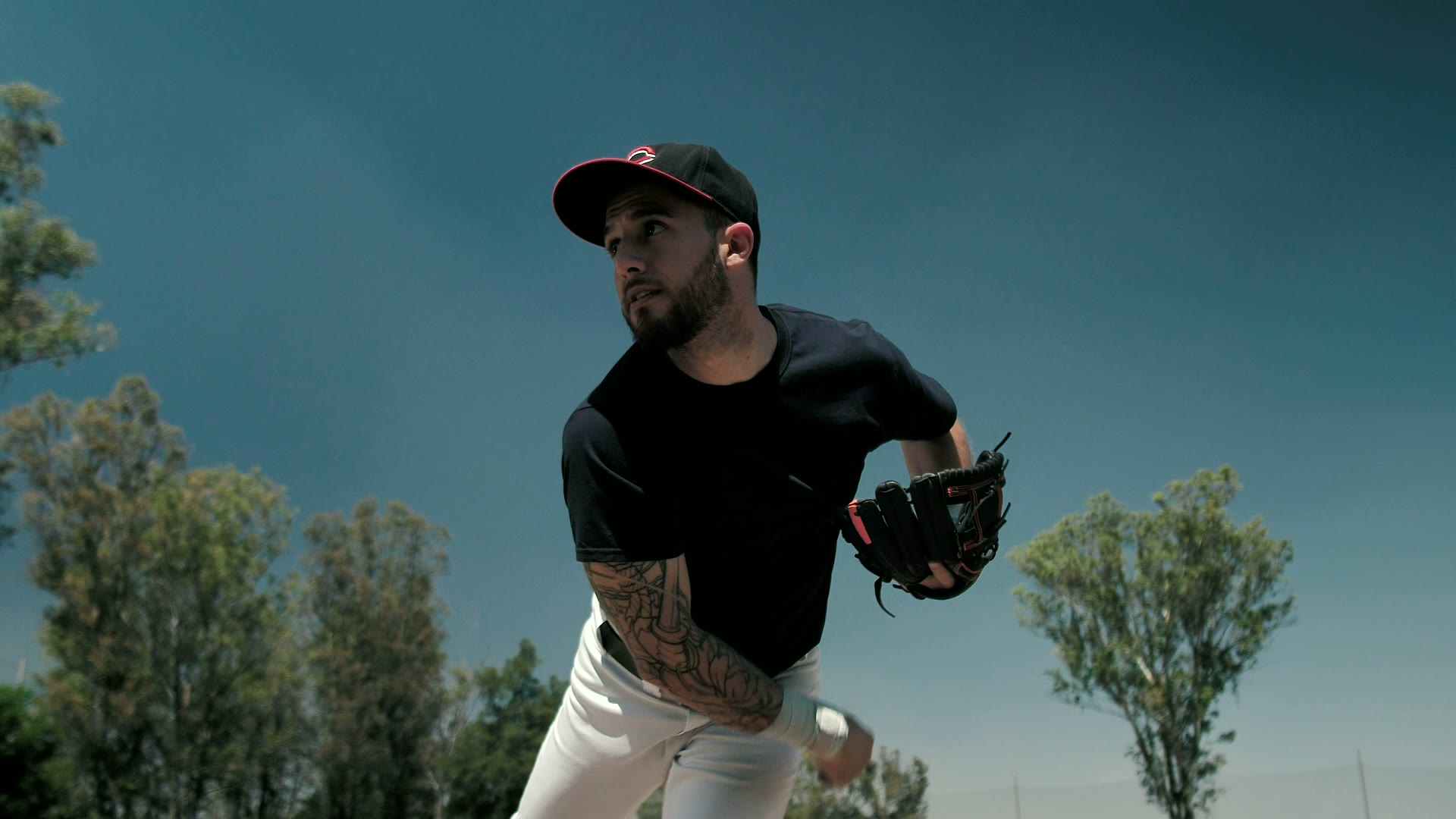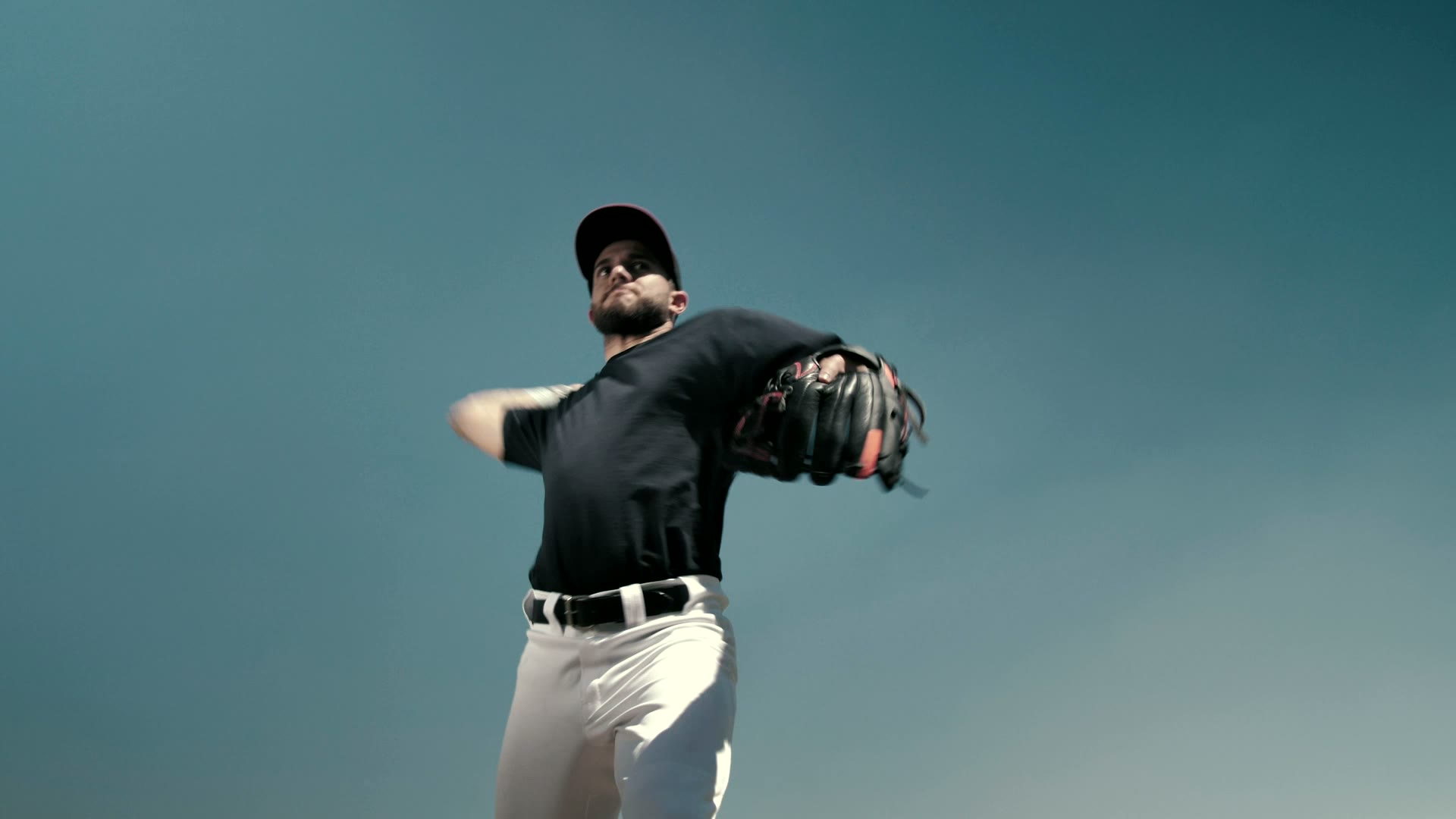

The best backyard pitching drills for kids build balance, stride direction, a relaxed arm path and a full follow-through, using nothing more than a glove, a ball and a target. Keep sessions short, focus on quality over quantity, and stop if anything hurts. These are the same building blocks we use in our baseball pitching lessons, adapted so parents can run them at home.
Before you start: warm-up and safety
Every session should begin with a few minutes of light movement: jogging, arm circles, and easy catch at short distance. Then keep these rules in mind:
- Quality beats quantity. A handful of focused reps beats a bucket of tired ones.
- Count the throws. Backyard throwing is still throwing. Follow the MLB and USA Baseball Pitch Smart guidelines and count home work alongside games and practices.
- A sore arm rests. If your child reports soreness, stop for the day. For pain or injury, see a doctor or athletic trainer.
- Keep it fun. Short games and targets hold a kid’s attention far better than lectures.
7 backyard pitching drills for kids
1. The balance hold
From the set position, the pitcher lifts the front leg and holds the top for a slow count of three without wobbling. Then they stride and throw easy. This teaches a stable base, which everything else depends on.
2. One-knee throws
The pitcher kneels on the throwing-side knee, front foot pointed at the partner, and plays catch at a short distance. Removing the legs lets them focus on a clean arm path and a full finish across the body.
3. Stride-line drill
Lay a rope, hose or chalk line from the pitcher’s back foot toward the target. After each throw, check where the front foot landed. Landing on or near the line means energy is going toward the plate instead of sideways.
4. Break and dangle
From the balance position, the pitcher separates the hands and lets the throwing arm swing down and back in a relaxed way before throwing. This builds rhythm and helps kids stop rushing the arm.
5. Towel drill
Hold a small hand towel at one end instead of a ball. The pitcher goes through the full delivery and snaps the towel at a target, such as a partner’s glove held out in front. It builds the feel of a full extension and finish without any throwing stress.
6. Target practice
Hang an old sheet, set up a net, or tape a strike zone on a pitch-back. Call out a corner before each throw. Keep score to make it a game. This is where kids start to learn that control is a skill they can practice.
7. Finish in fielding position
After every throw, the pitcher should land balanced, glove up, ready to field a ball hit back at them. It rewards a controlled follow-through and builds good habits for games.
How do I teach my kid to pitch?
- Early weeks: balance holds, one-knee throws and the towel drill. Focus on feel, not the target.
- Next: add the stride-line drill and break and dangle, still at easy effort.
- Then: put it together with target practice and the fielding-position finish.
- Always: leave rest days and follow Pitch Smart guidance around games.
Once your player has these down, our guide to improving pitching control and accuracy adds more target work. Older players wondering about speed should read how to throw harder safely before adding effort.
Common mistakes parents can watch for
- Falling off to the side. Usually a balance or stride direction issue.
- Arm way ahead of the body. A timing problem; slow the drill down.
- Stopping short after release. Encourage a full finish over the front leg.
- Overthrowing. Remind them that smooth beats hard at this stage.
When to bring in a coach
Backyard drills are great for repetition, but it is hard to see a delivery clearly from the other end of a game of catch. If you are not sure what you are looking at, a short video can help. Our online video analysis lets you send a clip and get drills back. For younger players still deciding, read what age a kid should start pitching lessons.
Take the next step
Want a plan built for your child? The free Benchmark Process starts with your athlete’s goals, then measures where they are today. Start Benchmark Step 1 or see how our pitching lessons for kids work.