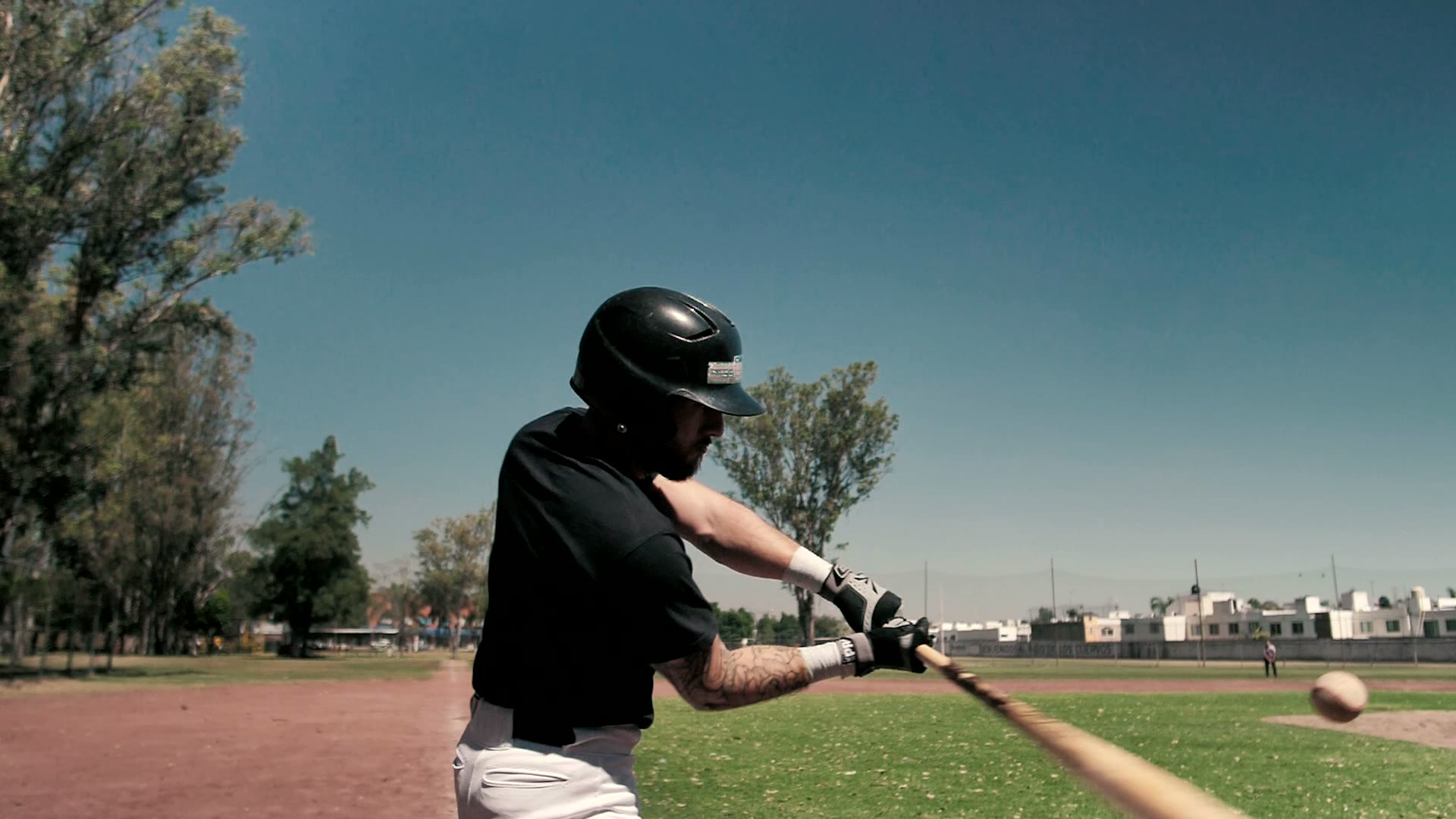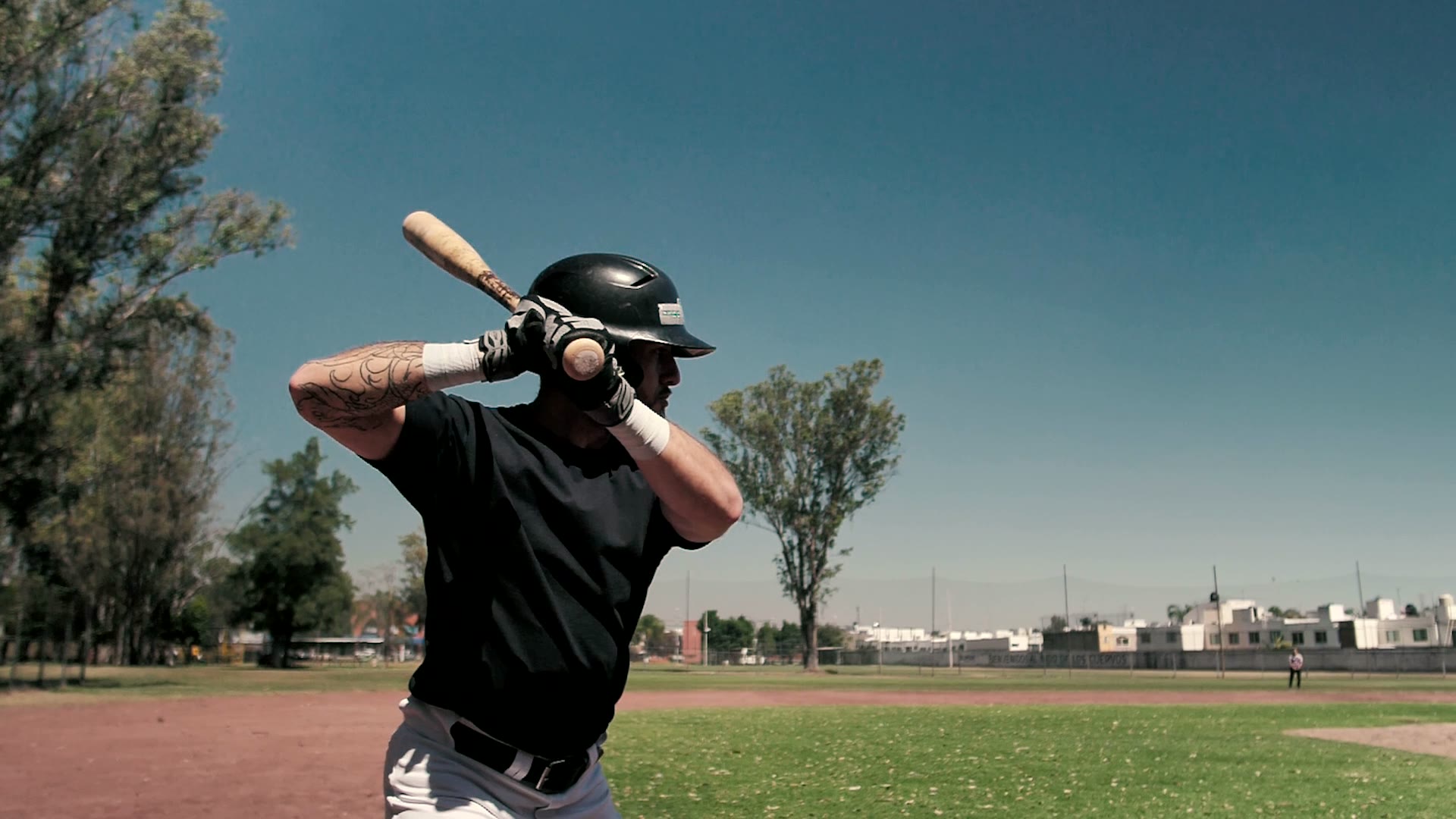

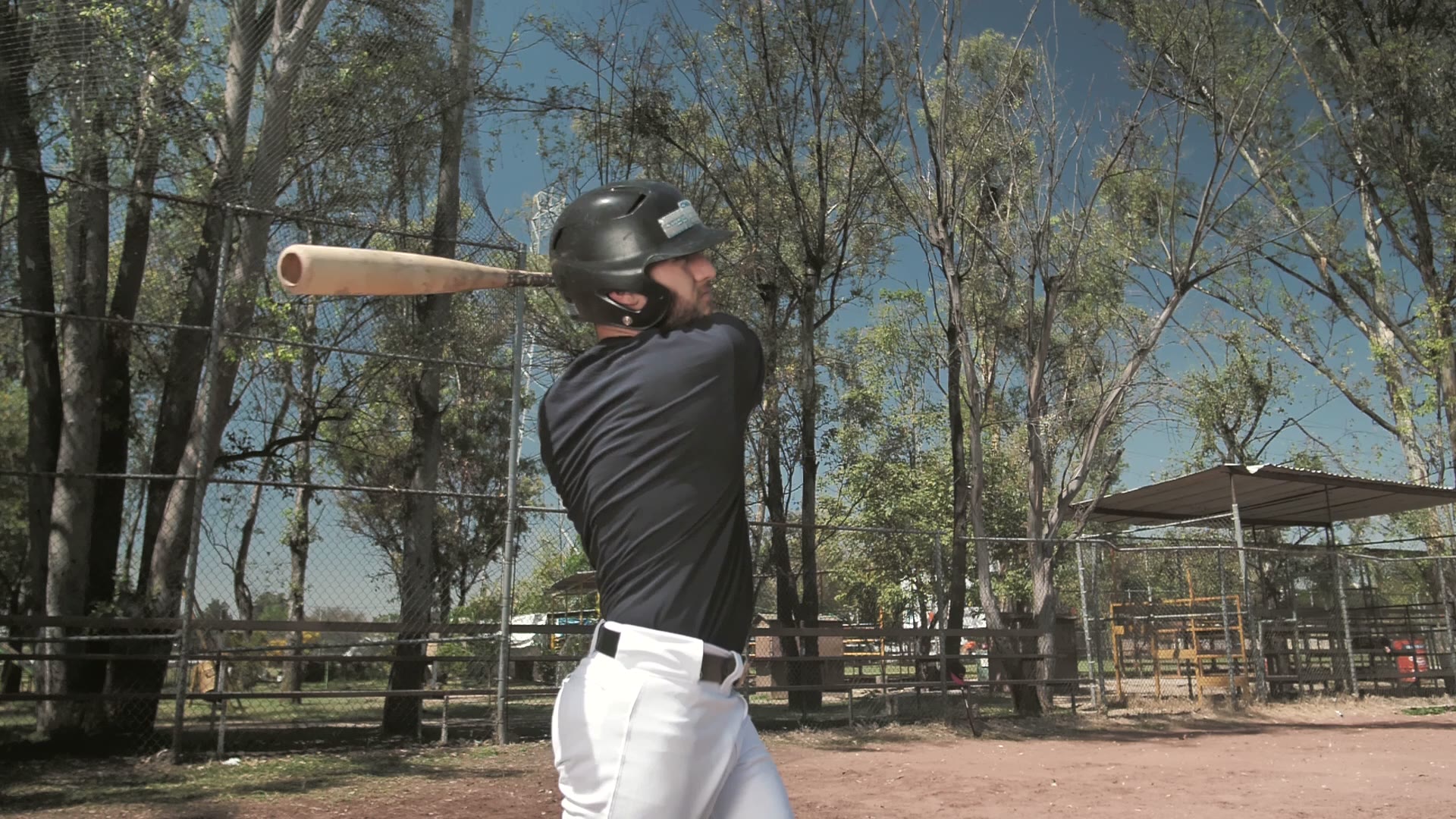
The best softball hitting drills for beginners are simple ones done well: dry swings for balance, tee work for a clean bat path, then soft toss and front toss for timing. Start slow, master one step before adding speed, and keep every rep focused on a balanced finish and solid contact.
This progression is the same foundation we build in our softball hitting lessons in Naperville. You can do most of it in a backyard or garage with a tee, a net and a few balls.
Before you start: set up a safe space
Beginners should always wear a batting helmet for live tosses, even at short range. Use a sturdy net, give the hitter plenty of room to swing, and make sure anyone tossing is protected by a screen or stands at a safe angle. Short sessions with full attention beat long sessions where the hitter gets tired and sloppy.
How to practice softball hitting at home?
- Mirror dry swings. With no ball, the hitter takes slow swings in front of a mirror. Look for feet about shoulder-width apart, knees slightly bent and the head staying level. The finish should be balanced enough to hold for three seconds.
- Load and hold. The hitter loads, strides and then stops before swinging. This teaches that the stride is a small, controlled move, not a lunge. When the front foot lands, the hands should still be back and ready.
- Tee work, middle of the plate. Set the tee at belt height, slightly in front of the front hip. The goal is a line drive into the middle of the net. If the ball goes straight up or into the ground, check whether the hands dropped or the head pulled off the ball.
- Tee work, inside and outside. Move the tee inside and further out in front, then outside and a little deeper. This teaches the hitter to meet the ball where it is instead of swinging to one spot every time.
- Soft toss. A partner kneels to the side and slightly in front, behind a screen if possible, and tosses underhand into the hitting zone. The ball is now moving, so the hitter has to time the start of the swing.
- Front toss. The partner sits behind an L-screen in front of the hitter and tosses firmly underhand. This is the closest backyard drill to live pitching and a great bridge to facing a real pitcher.
Stay on each step until the hitter can make solid contact most of the time with a balanced finish. Moving up too fast is the most common reason beginners get frustrated.
Common beginner mistakes to watch for
Stepping in the bucket
If the front foot steps away from the plate, the hitter pulls the barrel off the ball. Place a bat on the ground as a guide line and have the hitter stride along it.
Dropping the hands
Many new hitters drop their hands before swinging, which creates a long, looping path. Remind them to keep the hands near the back shoulder until the swing starts.
Swinging too hard
Beginners often think harder means farther. A controlled swing that finds the centre of the ball will almost always travel better than a wild swing that clips it. Power comes later, once the movement is sound. When your hitter is ready for that stage, read our guide on how to increase exit velocity in softball.
Pulling the head
If the eyes leave the ball early, contact suffers. Ask the hitter to see the ball hit the bat, even on the tee.
How often should a beginner practise?
Three or four short sessions a week of 15 to 20 minutes will do more than one long weekend session. Aim for quality over quantity: a few dozen focused swings with a clear goal is better than hundreds of tired ones. End each session on a good rep so the hitter walks away confident.
If your hitter has played baseball, some habits will need adjusting. Our breakdown of the fastpitch vs baseball swing explains the differences in timing and bat path.
When to get a coach involved
Drills build habits, which is why it matters that the habits are the right ones. A coach can spot small problems in balance, load or timing that are hard to see from the side of the net. Coach Cinz focuses on movements, mechanics and, most importantly, timing, and he explains the reason behind each change so young players understand what they are working on.
Parents often ask whether to focus on hitting or defence first. The answer depends on the player, and many beginners do both. Our post on softball fielding tips for young players is a good companion to this drill list.
Take the next step
Want a plan built around your hitter’s goals? Learn more about our softball lessons in Naperville and Chicagoland, or start the free Benchmark Process today. It takes a few minutes to answer the goal questions, and we will take it from there.