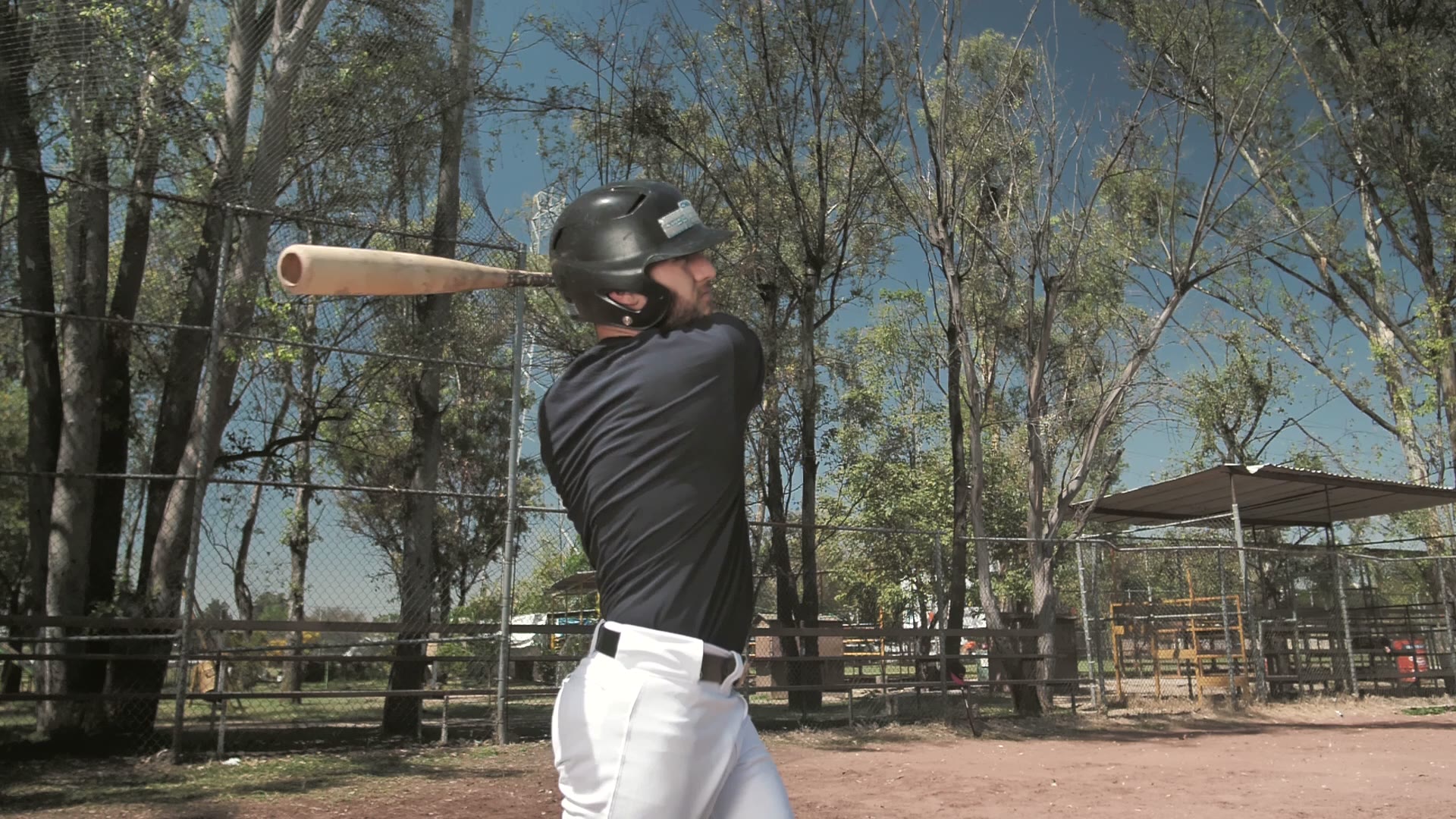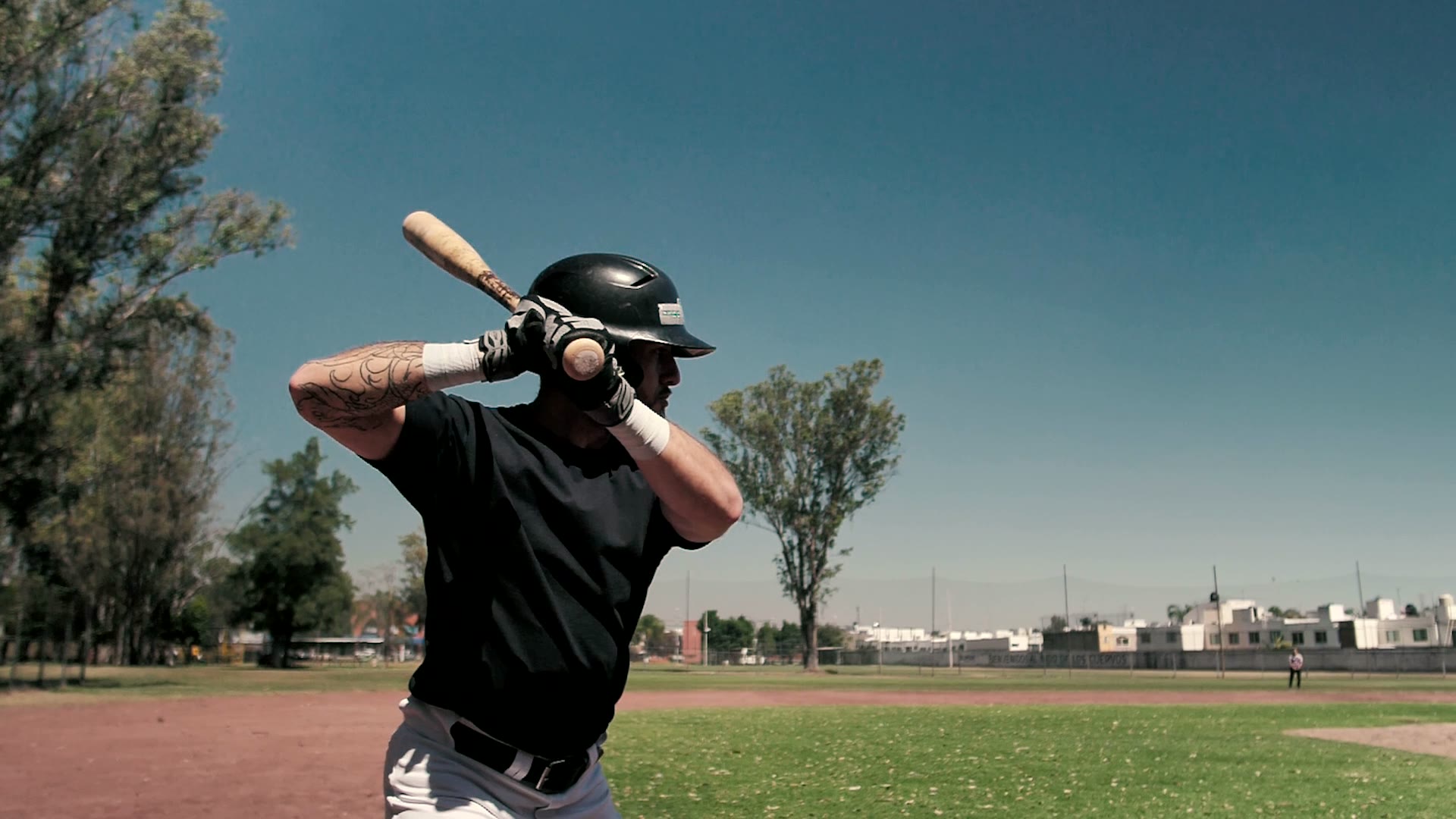

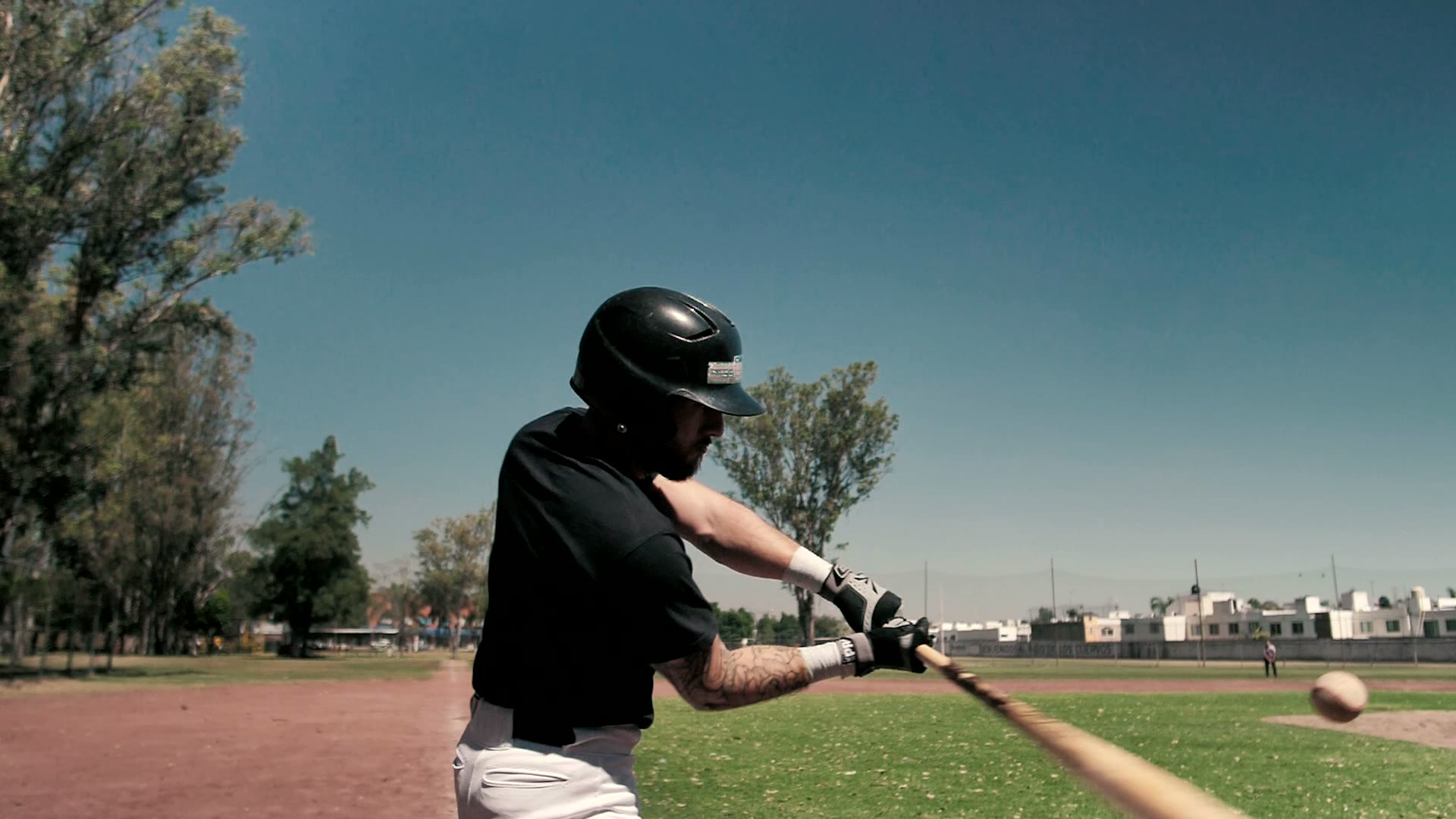
The fastpitch and baseball swings share the same fundamentals: balance, a load, a short path to the ball and a strong, sequenced turn. What changes is the time and the angle. In fastpitch the pitcher is much closer and releases the ball underhand from a low point, so hitters need a quicker, more compact move and a bat path that matches a flatter or rising pitch.
These differences come up often in our softball hitting lessons, especially with players who grew up playing baseball or who play both sports.
What stays the same
A good swing is a good swing. In both sports, the hitter needs to:
- Start from a balanced, athletic stance.
- Load early so the body is ready before the ball arrives.
- Let the lower half start the swing, with the hips and torso turning before the hands.
- Keep the hands inside the ball so the barrel takes a short, direct route.
- Stay balanced through contact and finish under control.
Coach Cinz teaches both sports through the same lens: movements, mechanics and, most importantly, timing. The mechanics are close. The timing is where fastpitch really asks something different.
Is softball hitting the same as baseball?
Less time to react
In high school and college fastpitch, the pitching rubber is 43 feet from home plate. In baseball it is 60 feet 6 inches. Even though baseball pitches are often thrown harder, the shorter distance means softball hitters have very little time to recognise the pitch and decide. That rewards hitters who load early and keep their movements simple.
A different pitch plane
A baseball pitcher throws downhill from a mound, so the ball travels on a downward angle. A fastpitch pitcher releases the ball near the hip, so pitches come in flatter, and some are designed to rise. A swing built only to match a steep downward pitch can end up under a rise ball or chopping over a drop ball. Softball hitters benefit from a bat path that can stay on the plane of the pitch for as long as possible.
A smaller stride and a quieter load
Big leg kicks and large hand movements take time. Many fastpitch hitters use a shorter stride or a simple toe tap so they can be on time against a pitcher who is so close. The goal is still to load, just more efficiently.
A bigger ball and different bats
The softball is larger, which changes how contact feels and how the ball comes off the bat. Bat length and weight should fit the player. A bat that is too heavy forces a long, slow swing no matter how good the mechanics are.
Slap hitting
Fastpitch also has slap hitting, where a left-side hitter moves toward the pitcher while swinging to put the ball in play and use their speed. It is a specialised skill with no real baseball equivalent, and it is usually taught separately from the standard swing.
Tips for baseball players switching to softball
- Shorten the load. Trim any big leg kick to a small stride or toe tap and see whether timing improves.
- Get ready earlier. Start the load as the pitcher begins her motion, not when the ball is released.
- Train against the right angle. Front toss from a low, underhand release is more useful than overhand batting practice.
- Check the bat. Make sure the bat fits the player’s size and strength.
- Be patient. Expect a few weeks of adjustment. The fundamentals transfer; the timing takes reps.
If your player is new to hitting altogether, start with our softball hitting drills for beginners. Once the swing is on time, our guide to increasing exit velocity in softball covers how to add power.
Should my player play both sports?
Many young athletes enjoy both, and the shared fundamentals help. The key is knowing which adjustments to make for each one, rather than trying to use one swing for both without thinking. A coach can help a two-sport player keep a clean base swing and switch the timing pieces when the season changes. Our baseball hitting lessons use the same approach on the baseball side.
Get a second set of eyes on the swing
Every hitter’s swing is a little different, and small timing issues are hard to see without video. Send us a clip for Video Analysis, book a Private Lesson, or read more about our softball lessons in Naperville and across Chicagoland. The best first step is the free Benchmark Process, which starts with your player’s goals.