

To increase exit velocity in softball, focus on three things in order: making solid, centred contact, improving how the body sequences the swing from the ground up, and building bat speed with a bat that fits. Strength helps, but a hitter who squares the ball up on time will usually hit it harder than a stronger hitter who does not.
Exit velocity is a common goal in our softball hitting lessons, and this guide walks through how we think about it.
What is exit velocity?
Exit velocity is how fast the ball leaves the bat after contact. It is one of the clearest measures of how hard a hitter is hitting the ball. Harder-hit balls give fielders less time to react, which is why coaches and recruiters pay attention to it. It is not the only thing that matters, though. A hard-hit ball straight into the ground or high in the air is still an easy out much of the time.
How to increase softball hitting power?
1. Quality of contact
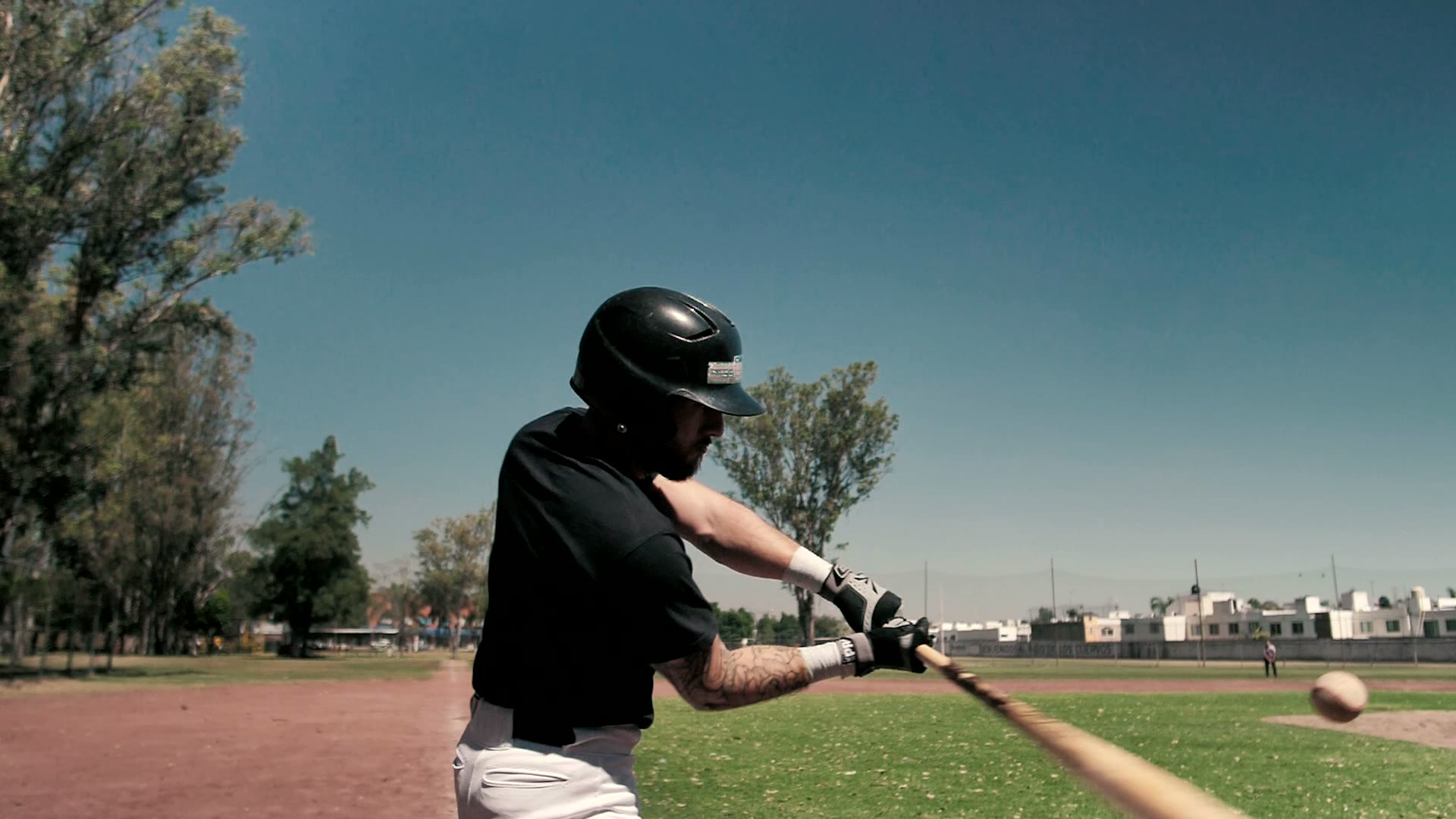
The biggest factor is where the ball meets the barrel. Contact on the sweet spot, through the middle of the ball, transfers the most energy. Missing by a small amount on the barrel or hitting too far under or over the ball costs a lot of speed. This is why timing comes first. A hitter who is early or late cannot square the ball up consistently, no matter how hard they swing.
2. Sequencing
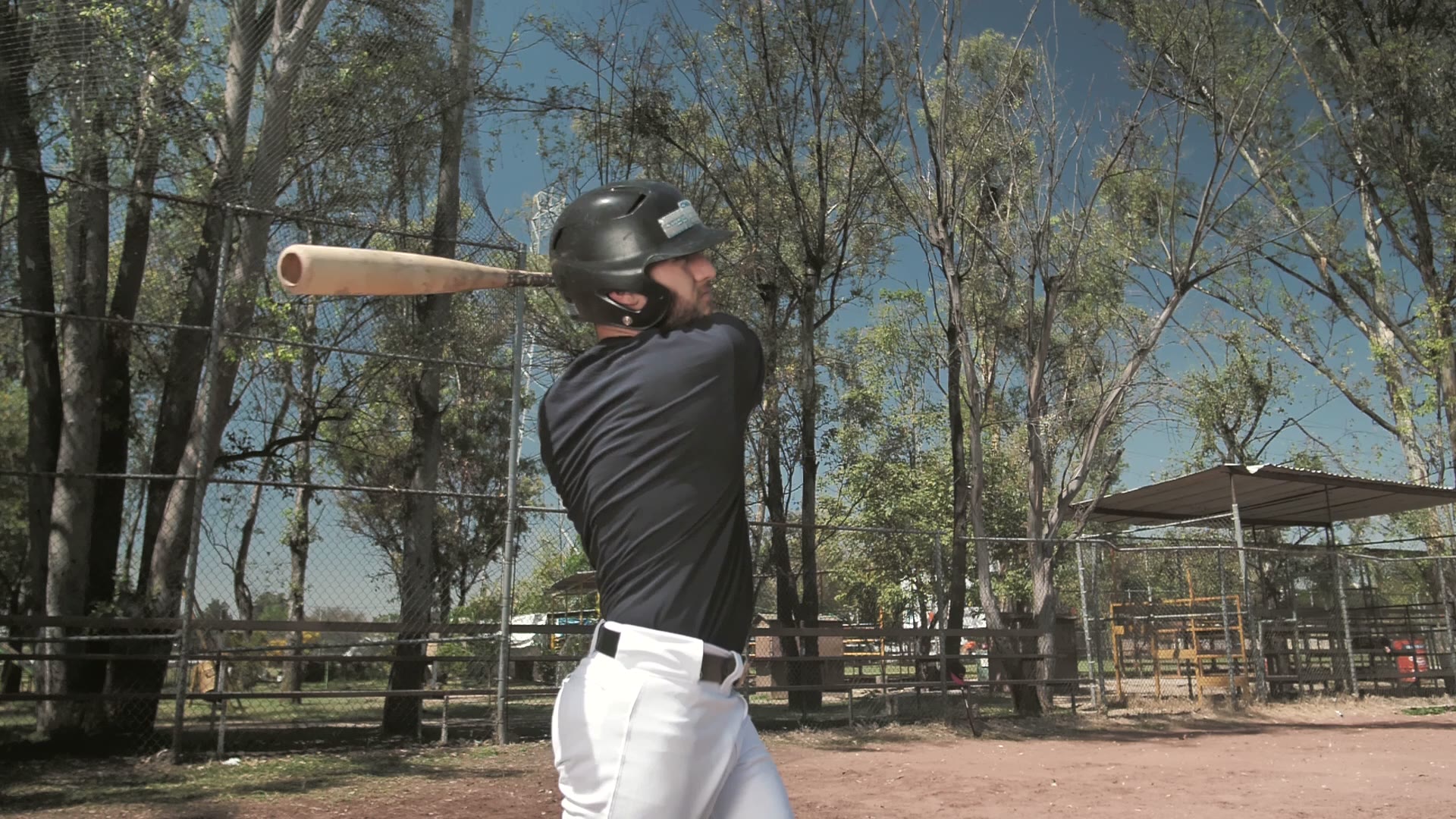
Power in the swing starts from the ground. The legs and hips begin the turn, the torso follows, and the arms and bat come last. When that order is right, each part of the body passes speed to the next. When the arms start first, the hitter loses much of the power the lower half could have added.
3. Bat speed
Bat speed at contact is closely tied to exit velocity. It comes from good sequencing, a short path to the ball and a relaxed grip that tightens through contact. Swinging harder with tense arms often makes the bat slower, not faster.
4. Bat fit and strength
A bat that is too long or heavy slows the swing and makes the path longer. Make sure the bat fits the player. Over time, age-appropriate strength and mobility training, guided by a qualified coach or trainer, can add power. For any pain or injury, see a doctor or athletic trainer before continuing.
Drills that build exit velocity
- Tee work for the barrel. Hit line drives off the tee, aiming for the same spot on the net. Consistent contact comes before power.
- Step-in swings. The hitter starts with feet together, steps forward into the stance and swings. This builds rhythm and helps the lower half lead.
- Hip-lead dry swings. Slowly rehearse the swing so the hips start the turn before the hands. Then gradually speed it up while keeping the order.
- Front toss at different heights. Mix locations so the hitter learns to match the plane of the pitch and still make solid contact.
- Intent rounds. After the mechanics are warm, give the hitter a short round of full-effort swings with a clear goal: hit it hard, on a line. Keep these rounds short so quality stays high.
Beginners should not jump straight to power work. If your hitter is still building a consistent swing, start with our softball hitting drills for beginners. Players coming over from baseball should also read about the differences between the fastpitch and baseball swing, because timing against a closer pitcher changes how power is produced.
How to track progress
Progress is easier to see when you measure it. Record the hitter’s swing on video from the side and from behind, and track results over weeks rather than day to day. Small improvements in timing and sequencing tend to add up. Our Benchmark Process starts by measuring current metrics with the coach, so the plan has a real starting point to improve from.
Why hitters plateau
Most power plateaus come from one of three places: the hitter is late, the arms are doing the work instead of the lower half, or the bat does not fit. Each has a different fix, and guessing wrong wastes time. That is where a trained eye helps. Coach Cinz focuses on movements, mechanics and, most importantly, timing, and he explains why each adjustment matters so the hitter can own it.
Start building power the right way
Ready to hit the ball harder? Explore our softball lessons in Naperville or begin with the free Benchmark Process. We will look at where the swing is today and build a plan around your hitter’s goals.