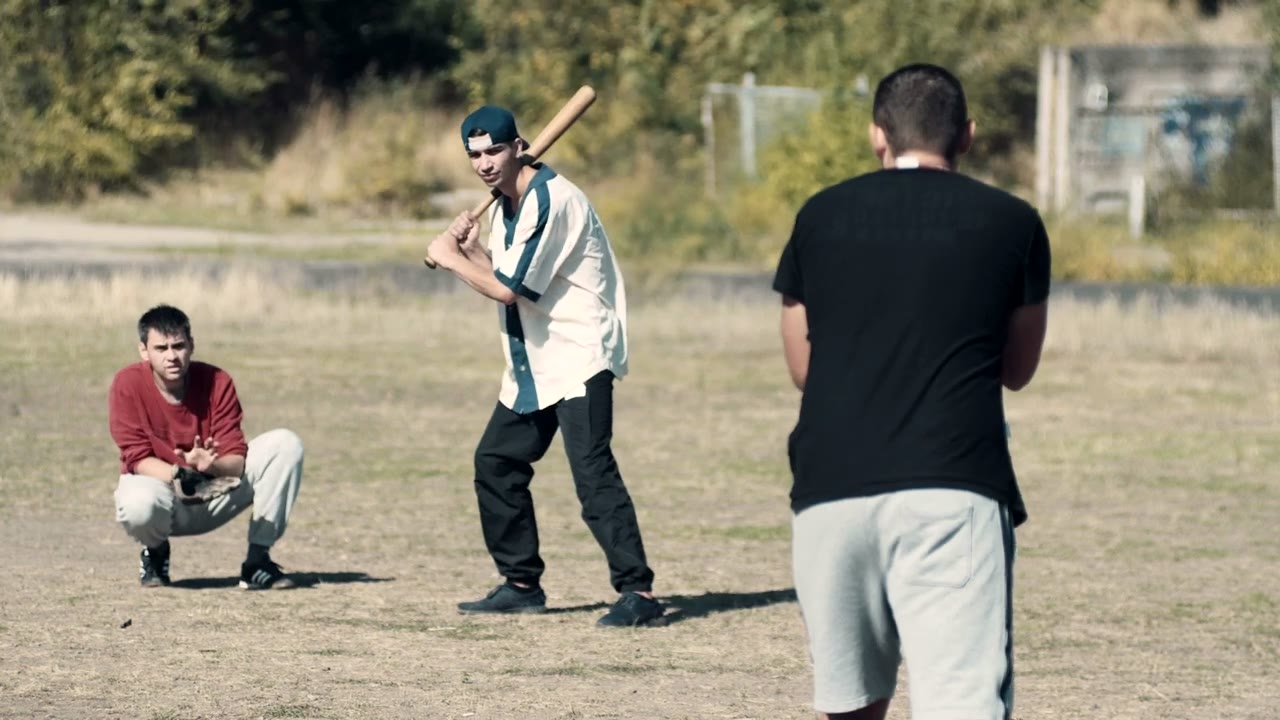

The best infield drills for kids at home are simple: short rolled ground balls, wall ball, bare-hand pickups and target throws. With a glove, a few balls and a safe wall or a partner, kids can build footwork, soft hands and accurate throws in 15 to 20 minutes a day.
Home practice works best when it supports what they learn in structured baseball fielding training. Below is a plan parents can run in the backyard or driveway, no coaching background needed.
Before you start: safety and setup
- Use a safe space away from windows, cars and the street.
- For younger kids or beginners, use softer training balls or tennis balls.
- Warm up with light jogging and easy throws before any hard throwing.
- If your child says their arm is sore, stop and rest. For pain or injury, see a doctor or athletic trainer.
Keep sessions short and upbeat. A few focused minutes beat an hour of tired, sloppy reps.
Drill 1: Ready position freeze
Call “ready” and have your child drop into their fielding stance: feet a bit wider than the shoulders, knees bent, glove out front. Check the position, then call “go” and have them shuffle two steps left or right. Repeat ten times. This builds the first of Coach Cinz’s 6 F’s of a great infielder: Feet.
Drill 2: Short rolled grounders
Kneel about 15 feet away and roll ground balls straight at your child. Focus on one thing: glove out in front, eyes on the ball into the glove. Then roll balls slightly to the left and right so they have to move their feet.
Coaching cues
- “Glove out front where you can see it.”
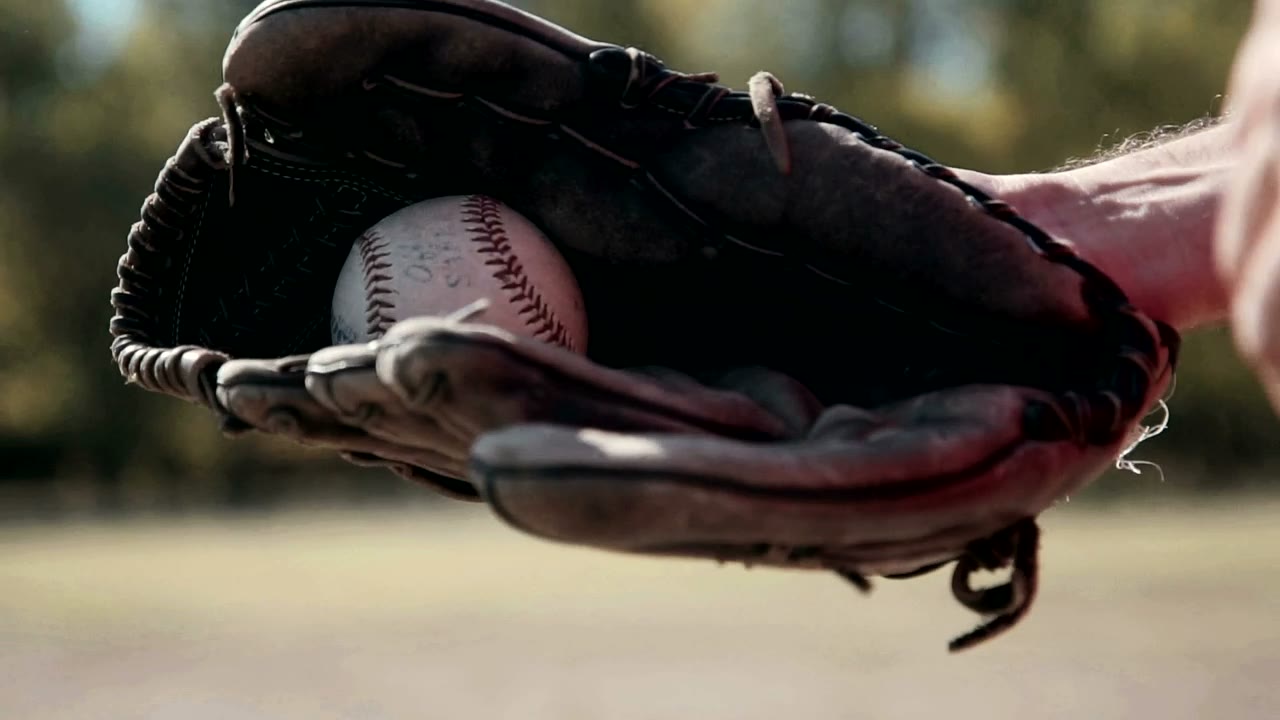
- “Bring it to your belly button” (the funnel).
- “Stay low through the ball.”
Drill 3: Wall ball
If you have a sturdy wall or a rebounder, this is the best solo drill there is. Your child throws a tennis ball against the wall and fields the rebound as a ground ball. Moving closer makes it faster; moving back gives more time. It trains hands, reaction and rhythm, and kids can do it alone.
Drill 4: Bare-hand pickups
Place a ball on the ground, and have your child approach it, scoop it with the bare throwing hand and step into a throwing position. This teaches the footwork on slow rollers and helps kids stay low. Start slow, and go faster only when it looks clean.
Drill 5: Field, funnel, footwork (no throw)
Roll a grounder. Your child fields it, funnels it to the body and takes a small step toward a target, such as a cone or a bucket, then freezes. No throw yet. The freeze lets you check that their feet and shoulders line up with the target. This is where most throwing errors start.
Drill 6: Target throws
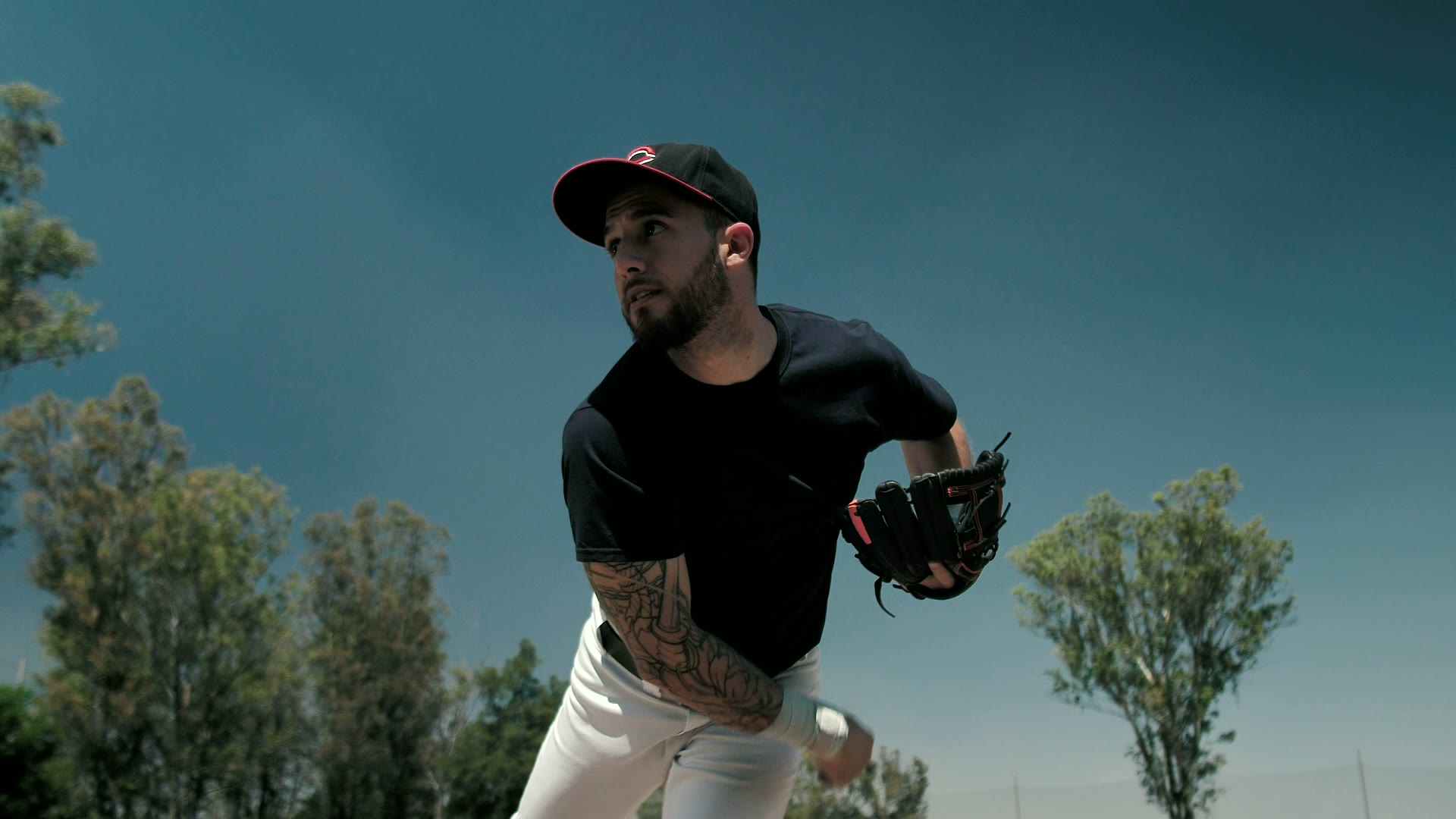
Now add the throw. Set a target at a comfortable distance, such as a partner’s glove or a marked spot on a net, and have your child field, funnel, step and throw. Count how many hit the target out of ten. For more on this, read how to improve throwing accuracy from the infield.
A sample 20-minute home session
- Warm-up and easy catch: 4 minutes.
- Ready position freeze: 2 minutes.
- Short rolled grounders: 4 minutes.
- Wall ball or bare-hand pickups: 4 minutes.
- Field, funnel, footwork: 3 minutes.
- Target throws: 3 minutes.
What are some good baseball fielding drills for 10-year-olds?
For most 10-year-olds, the best fielding drills are the ones above, kept short and simple. Ready position freezes, rolled grounders from about 15 feet, wall ball with a tennis ball and short target throws cover the basics without overloading a young player. Softer balls help nervous fielders stay down on the ball instead of turning their head.
At this age, focus on one skill per session and keep the reps clean. Ten good ground balls teach more than fifty rushed ones. Keep throwing distances comfortable, warm up before throwing hard, and rest the arm if it is sore. As the basics become automatic, add balls to the side, slow rollers and, eventually, live grounders off the bat.
How parents can help without over-coaching
Pick one cue per session and stick with it. Praise effort and good habits, not only results. If you notice the same mistake over and over, such as the ball skipping under the glove, it is usually a setup or footwork issue rather than “bad hands”. Our guide on how to stop booting ground balls covers the most common causes.
It also helps to film a few reps on your phone. Coach Cinz’s Video Analysis lets you submit a video of a skill for $35 and get drills back, which is a useful check that your home practice is building the right habits.
When to add coaching
Home drills build repetition. A coach adds the details: timing, the “why” behind each adjustment, and live ground balls off the bat. Parents often tell us their kids gained confidence once they understood why a change mattered. Coach Cinz is patient with kids who learn differently and adapts drills to each athlete.
The Fielding Clinic is a 1.5-hour group session built on the 6 F’s, with drills, live action off the bat and situational plays. For more on how we train, see youth baseball training or visit our Fielding & Infield Training page. Ready to start? Take the free Benchmark.