
To improve throwing accuracy from the infield, line your feet and shoulders up with the target before you throw, use a consistent grip, and follow through toward the target. Most wild infield throws are caused by poor footwork after the catch, not by a weak arm.
Throwing is the second half of every infield play, and it gets a lot of attention in our baseball fielding training. Below are the common causes of bad throws and throwing drills for infielders that fix them.
Why infield throws go wild
Throwing across the body
If the feet never move toward the target, the player throws with the upper body only. The ball tends to tail away or sail. This is the most common problem we see.
Rushing the transfer
Players who hurry to get rid of the ball often grab it badly and throw with a poor grip. A clean funnel to the body gives the throwing hand a consistent place to find the ball.
Cutting off the follow-through
Stopping the arm early pulls throws down into the dirt or makes them sail high. The arm and body should finish toward the target.
Eyes leave the target
Accurate throwers pick a small target, such as the first baseman’s chest, and keep their eyes on it through release.
How do infielders throw?
Coach Cinz teaches infield play with the 6 F’s of a great infielder. The last three, Footwork, Fire and Follow, control the throw:
- Footwork: move the feet so the front shoulder points at the target.
- Fire: a firm throw with a sound arm path and, when there is time, a four-seam grip.
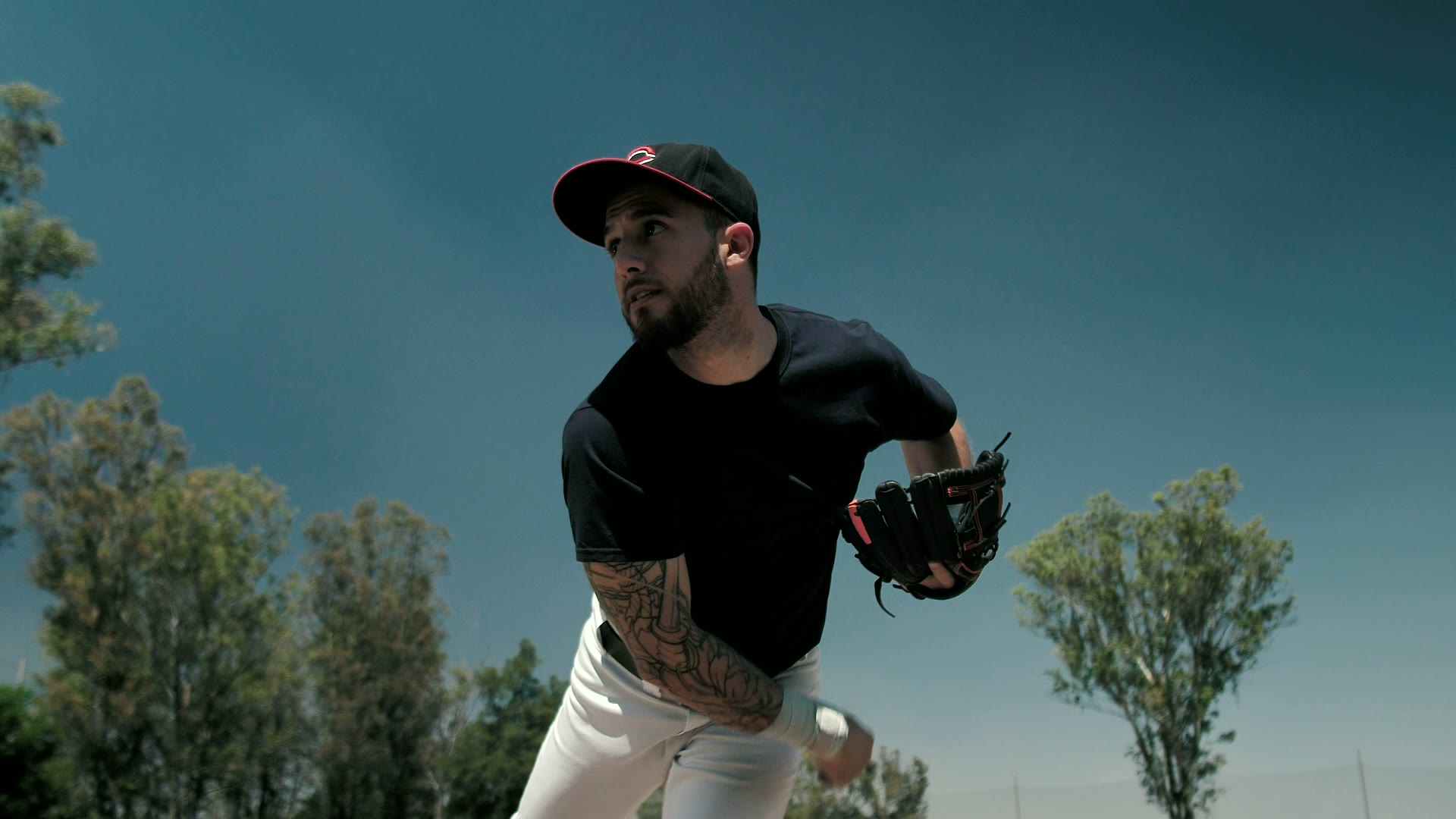
- Follow: finish toward the target and stay in the play.
Remember that the throw starts earlier in the play. If the ball was never secured, there is no good throw. See how to stop booting ground balls for the first half.
Throwing drills for infielders
Work through these drills in order, and keep the distances short at first. Accuracy comes before distance and speed.
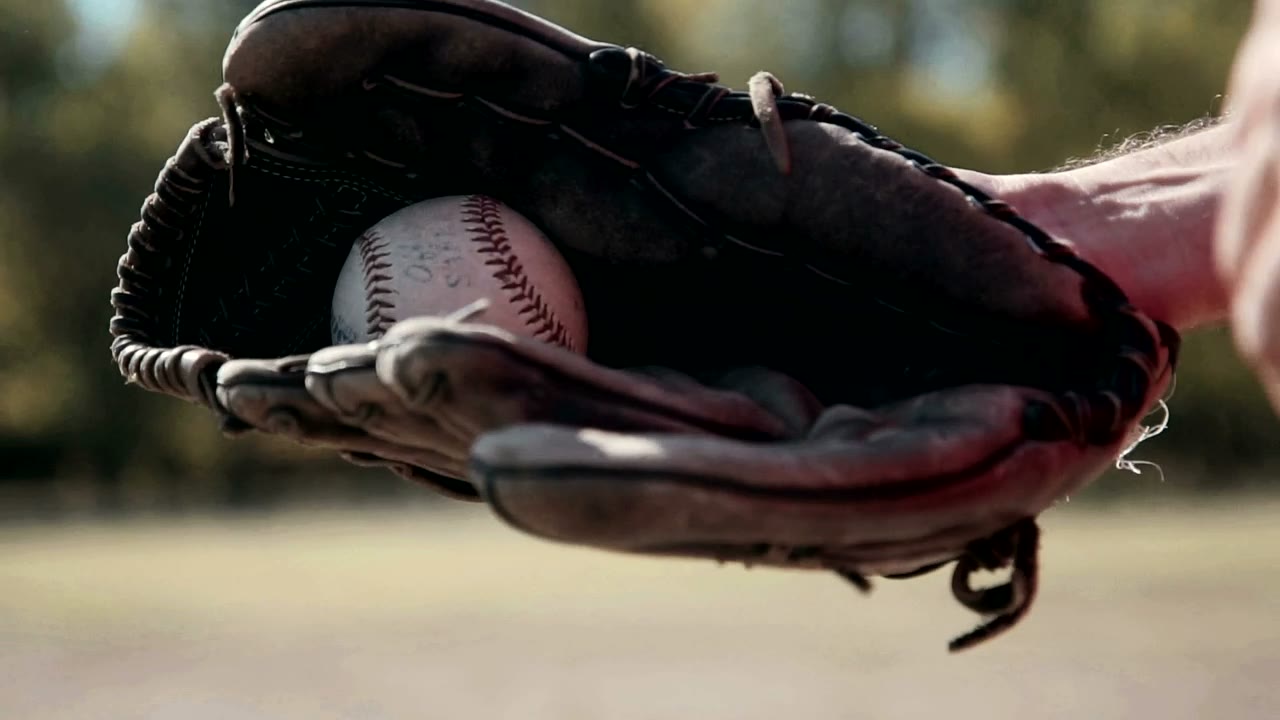
- Four-seam grip drill. The player flips the ball from glove to hand and finds the four-seam grip without looking. Repeat until it is quick and automatic.
- Step-and-throw. From a set position, the player steps toward a partner and throws, focusing on the front shoulder pointing at the target.
- Replace step drill. After a rolled ball, the player funnels, moves the back foot toward the spot the front foot left, and throws. This builds quick, balanced footwork.
- Target throws. Mark a target on a net or use a partner’s glove at chest height. Count hits out of ten, and only increase distance when the count is high.
- Throws from each position. Take throws from shortstop, second and third base angles so players learn how the footwork changes by position.
- Live grounders to a base. Put it all together with ground balls off the bat and a throw to a first baseman.
Protect the arm
More throwing is not always better. Warm up properly before throwing hard, build distance gradually, and give the arm rest. Follow the MLB/USA Baseball Pitch Smart guidelines for overall throwing workload and rest, especially for players who also pitch. If your player’s arm is sore, let it rest. For pain or injury, see a doctor or athletic trainer.
Practising at home
Many of these drills work in the backyard with a partner or a net. Keep sessions short and focused: a few minutes of quality throws to a target does more than a long session of tired, careless ones. Our infield drills for kids at home includes a 20-minute session with target throws built in.
Get coaching on infield throwing
An accurate throw depends on timing between the catch, the feet and the arm. That timing is hard to see from the bleachers, which is where a coach helps. Coach Cinz spent five years before the pandemic as a hitting, fielding and pitching instructor with the Chicago White Sox organization, and his coaching focuses on movements, mechanics and timing.
The Fielding Clinic is a 1.5-hour group session with drills, live action off the bat and situational plays. Players who want one-on-one work can book a Private Lesson. Learn more on our Fielding & Infield Training page, or take the free Benchmark to start.