
To frame pitches well, a catcher sets up relaxed and low, moves the glove to meet the ball rather than waiting for it, and holds the catch still so the umpire gets a clear look. Good framing is quiet. It is not about yanking the glove back into the strike zone. It is about receiving every pitch cleanly.
Receiving is one of the core skills in our baseball catching lessons, and it is the skill a catcher uses on every single pitch. Here is how to get better at it.
What is pitch framing?
Framing, or presenting, is the way a catcher receives a pitch so it looks like what it is. On a pitch near the edge of the zone, a clean, steady catch gives the umpire a fair look. A sloppy catch that drifts out of the zone can make a strike look like a ball.
Umpires notice when a catcher jerks the glove, and it rarely helps. The aim is honest, clean receiving that helps your pitcher.
Step 1: A relaxed setup
Tension is the enemy of good receiving. A stiff arm and a tight grip make the glove bounce on contact.
- Keep the glove arm relaxed and slightly bent, with the elbow outside the knee.
- Start the glove low. It is easier to move up to a high pitch than down to a low one.
- Stay balanced so the whole upper body can shift toward the pitch.
Step 2: Beat the ball to the spot
Many young catchers wait for the ball and catch it wherever it arrives. Better receivers read the pitch early and move the glove to meet it. This is a timing skill, and timing is at the center of how Coach Cinz teaches every position.
Step 3: Catch the outer part of the ball
On a pitch near the edge, try to catch the side of the ball that is farthest from the middle of the zone. This keeps the glove from being pushed further out. On a low pitch, get the glove under the ball and receive it with the fingers pointing slightly up so the ball does not drag the glove into the dirt.
Step 4: Stick the catch
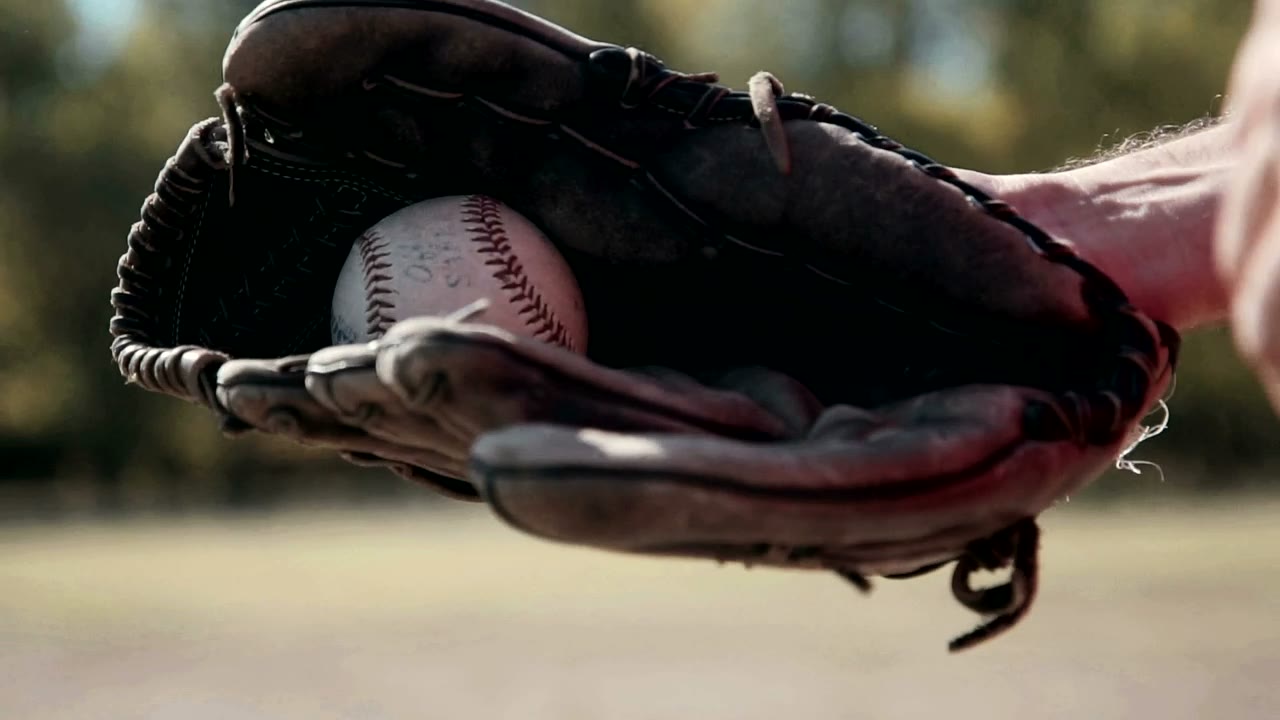
Once the ball is in the glove, hold it still for a moment. A firm, quiet catch shows the umpire exactly where the ball was. Then return the ball to the pitcher.
Common framing mistakes
- Stabbing at the ball: the glove moves toward the pitcher too late and the catch pops out.
- Yanking the glove: pulling an obvious ball into the zone after the catch.
- Starting high: the glove has to drop to low pitches, which often turns strikes into balls.
- Moving the head: a moving head makes it harder to track the ball.
Framing drills for youth catchers
Bare-hand receiving
Without a glove, a partner tosses tennis balls from a short distance. The catcher catches with a soft bare hand. This teaches relaxed hands and catching the ball out in front.
Short-toss edges
The partner tosses balls to the edges of an imaginary zone. The catcher works on beating the ball to the spot and sticking each catch for a count of one.
Low-pitch focus
Toss only low pitches. The catcher practices getting the glove under the ball and receiving it without dropping the glove into the dirt.
Bullpen reps
Catch a pitcher’s bullpen and have a coach or parent watch from behind. After each pitch, ask: did the glove stay quiet? Pitchers should always follow the MLB/USA Baseball Pitch Smart guidelines for their workload.
How receiving connects to blocking and throwing
A catcher who reads pitches early can also decide faster whether to block. Our catcher blocking drills cover that side of the job. And a clean catch leads to a clean transfer when a runner is stealing. For the full picture, read how to become a better youth catcher.
Framing also makes a real difference to your pitcher’s confidence. If your athlete pitches as well, our pitching lessons are a natural fit.
Get expert eyes on your catcher’s receiving
Framing is full of small details that are hard to see on your own. Coach Cinz watches the glove, the timing and the setup and explains the “why” behind each fix. Learn more about our catching lessons, try a Zoom Lesson for receiving work at home, or start with the free Benchmark Process.