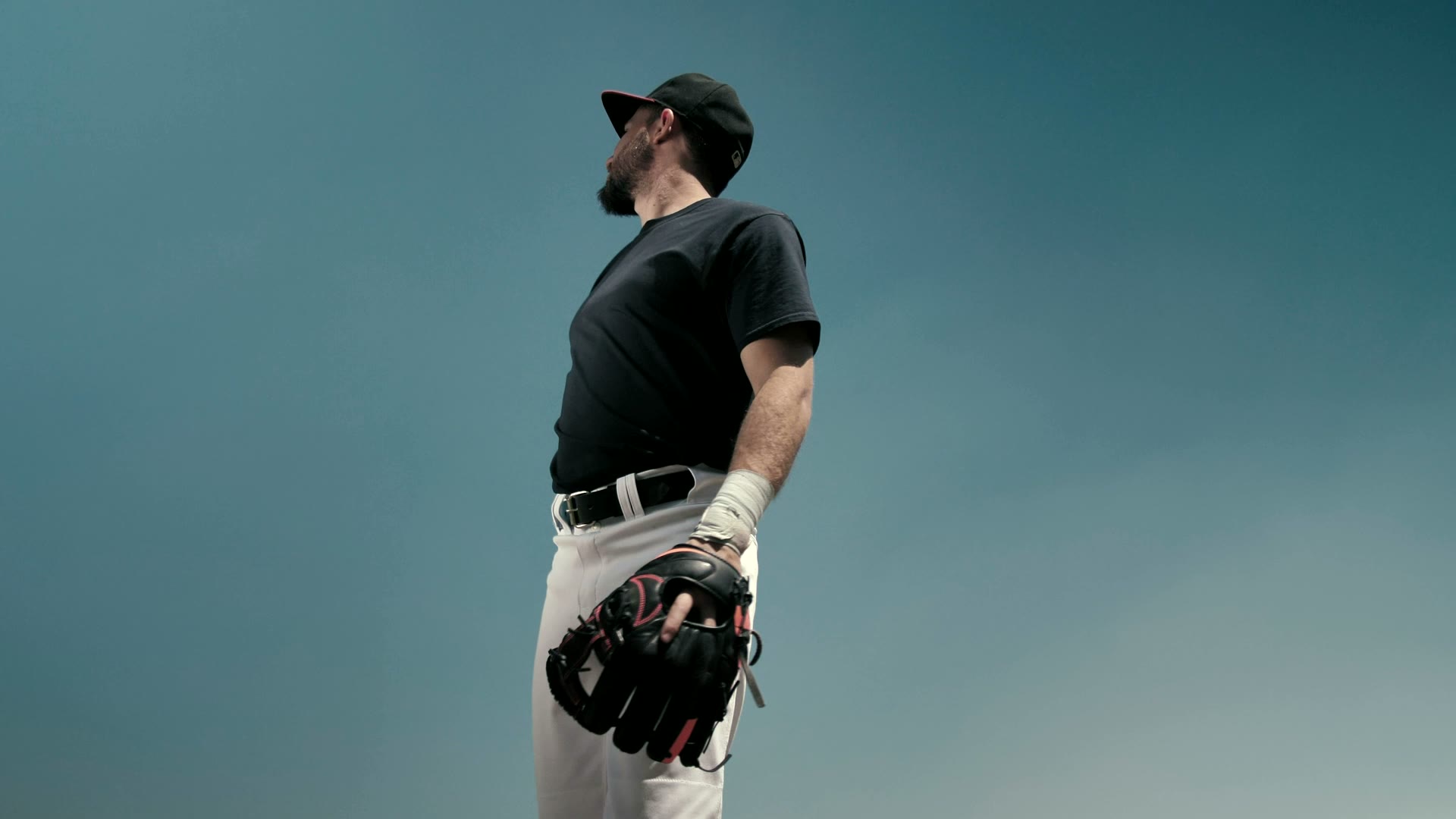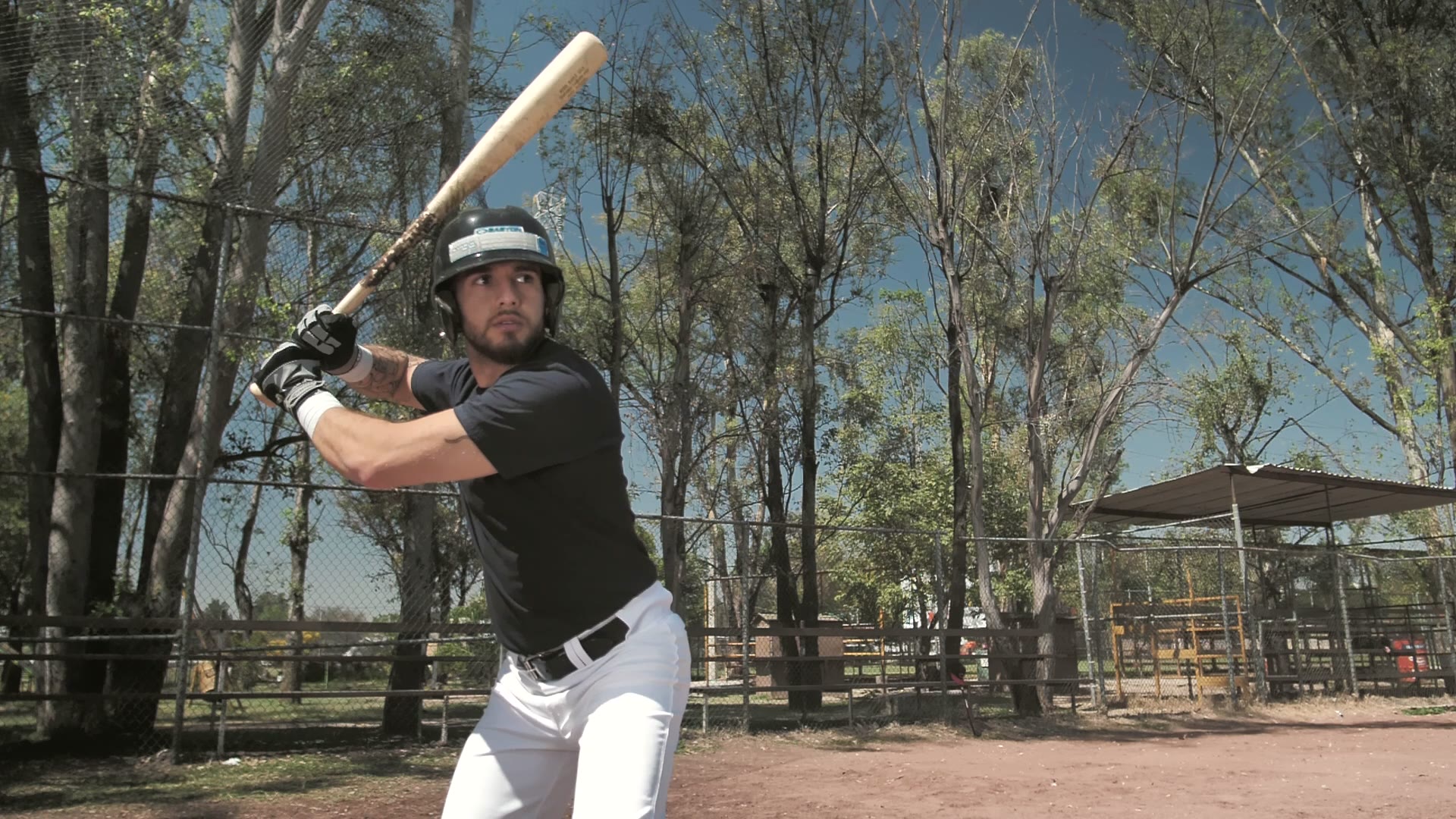

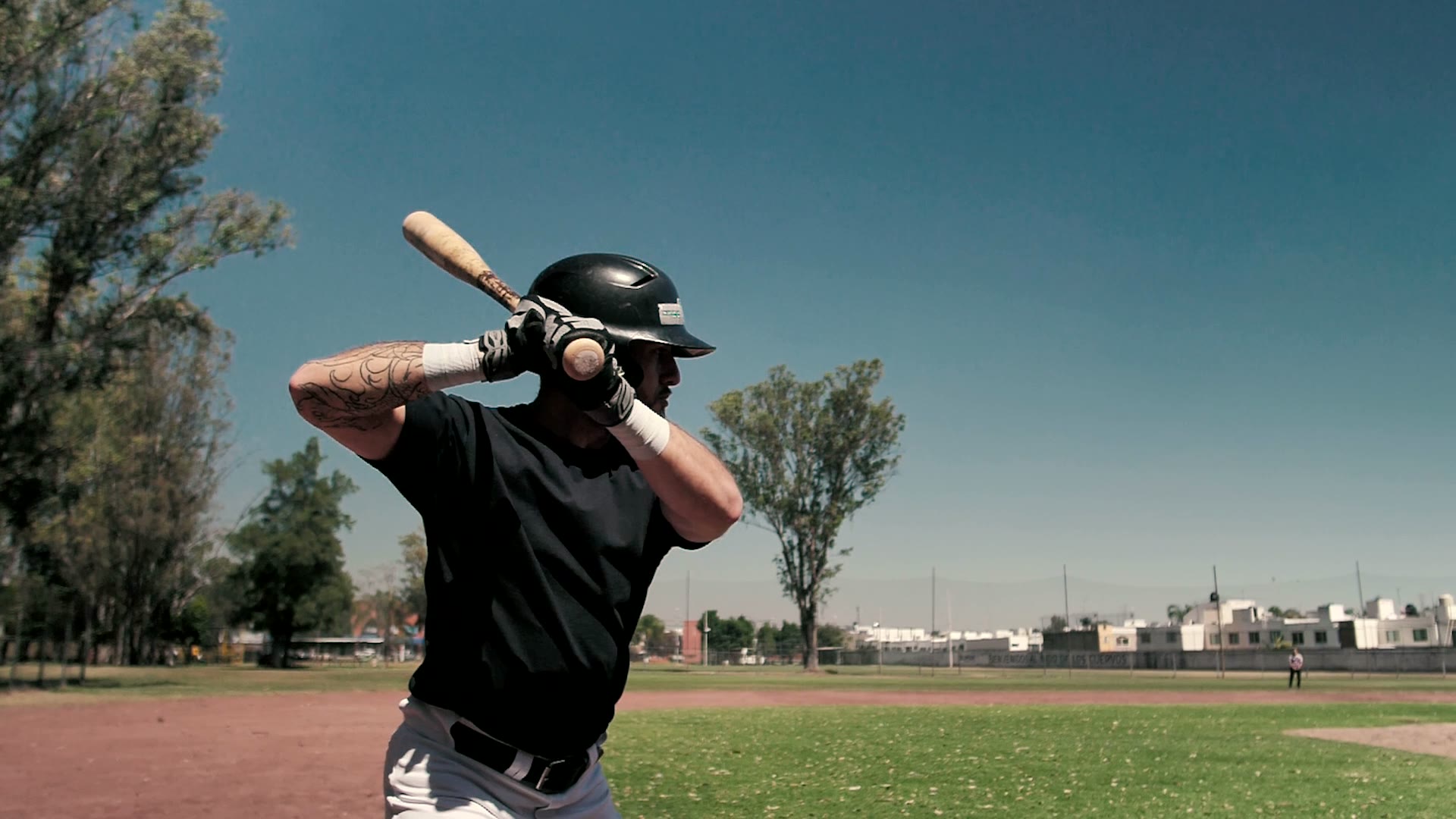
To film your baseball swing for analysis, shoot two clips: one from the side, looking at the hitter’s chest, and one from directly behind or in front of the hitter. Keep the phone still on a tripod at about waist height, frame the whole body from head to feet, film in good light, and record several full-effort swings instead of one.
That is the short version. Below is the setup Coach Cinz recommends before you send a clip for online baseball lessons and swing analysis, so the feedback is about your swing, not about a blurry video.
What is swing analysis?
Swing analysis is a coach reviewing video of a hitter, often in slow motion, to see how each part of the swing works and where it breaks down. The coach looks at the stance, the load, the stride, how the hips and shoulders sequence, the bat path and, above all, timing. The goal is not a long list of flaws. It is finding the one or two changes that will matter most, then choosing drills that target them. Every one of those judgments depends on what the camera captured, which is why the setup below matters so much.
Why the video setup matters
A coach can only fix what he can see. If the camera is tilted, too far away, or cuts off the feet, key details disappear: where the stride lands, when the hands start, whether the head stays still. Coach Cinz focuses on movements, mechanics and, most importantly, timing. Timing is hard to judge from a shaky, zoomed-in clip.
The two camera angles that matter most
1. The side view
Set the phone across the plate from the hitter so the camera looks at the hitter’s chest, square to the line between the hitter and the pitcher. This angle shows posture, the load, stride length, how the hips and shoulders rotate, the bat path through the zone, extension and the finish.
2. The behind or front view
Set the phone directly behind the hitter, in line with the pitcher, or directly in front on that same line. This angle shows stride direction, whether the hitter drifts toward the pitcher, the hand path and whether the head moves. If anyone is pitching live, the camera and the person holding it belong behind a net or an L-screen. With a tee, you have more freedom.
Phone setup checklist
- Use a tripod or a steady prop. A fence clip or a bucket works. Handheld video shakes, and shake hides detail.
- Camera at waist to chest height. Filming from the ground or from above distorts the angles.
- Shoot in landscape. Horizontal video keeps the stride and the full bat path in frame.
- Leave room. Frame from above the head to below the feet, with space for the bat at the finish.
- Move the phone, not the zoom. Digital zoom blurs the image. Step the tripod closer instead.
- Keep the light behind the camera. Filming into the sun or a bright window turns the hitter into a silhouette.
- Use slow motion if you have it. Also send one clip at normal speed so the coach can judge rhythm.
- Wipe the lens and clear the background. A busy background makes the bat hard to follow.
What to film, in order
- Tee swings. A handful from each angle shows the athlete’s baseline mechanics without timing pressure.
- Front toss or soft toss. Adds a moving ball and shows how the load holds up.
- Live pitching or a machine, if available. This is where timing shows up most clearly, and timing is often the real issue.
Swing with game intent. A half-speed swing looks different from a real one. Film early in the session, while the athlete is fresh.
Add a little context
A short note makes the review sharper. Tell the coach the athlete’s age and level, what they are working on, and what happens in games: popping up, rolling over, late on fastballs, early on off-speed. Coach Cinz is known in his reviews for explaining the “why” behind each adjustment, and good context helps him connect the fix to what you see on the field.
Common filming mistakes
- Filming from a diagonal, which hides both the stride and the bat path.
- Cutting off the feet, which hides the stride and weight shift.
- Sending only one swing. One swing can be a fluke. Several show the pattern.
- Portrait video with the phone held by hand.
Where to send your video
Once you have clean clips, Coach Cinz’s Video Analysis turns them into drills that target what he sees. If you want to talk through the swing live, a 30-minute Zoom Lesson starts with a consultation, and the same camera setup works on the call. If you want in-person help as well, see baseball hitting lessons.
Pitchers can use a very similar setup. Our guide on getting feedback on your pitching mechanics remotely covers the angles for a delivery. Still deciding whether remote coaching is worth it? Read do online baseball lessons work.
Get your swing reviewed
Film it, send it, and get a plan. Start with the free Benchmark Process, or see every option for online baseball lessons with Coach Cinz.