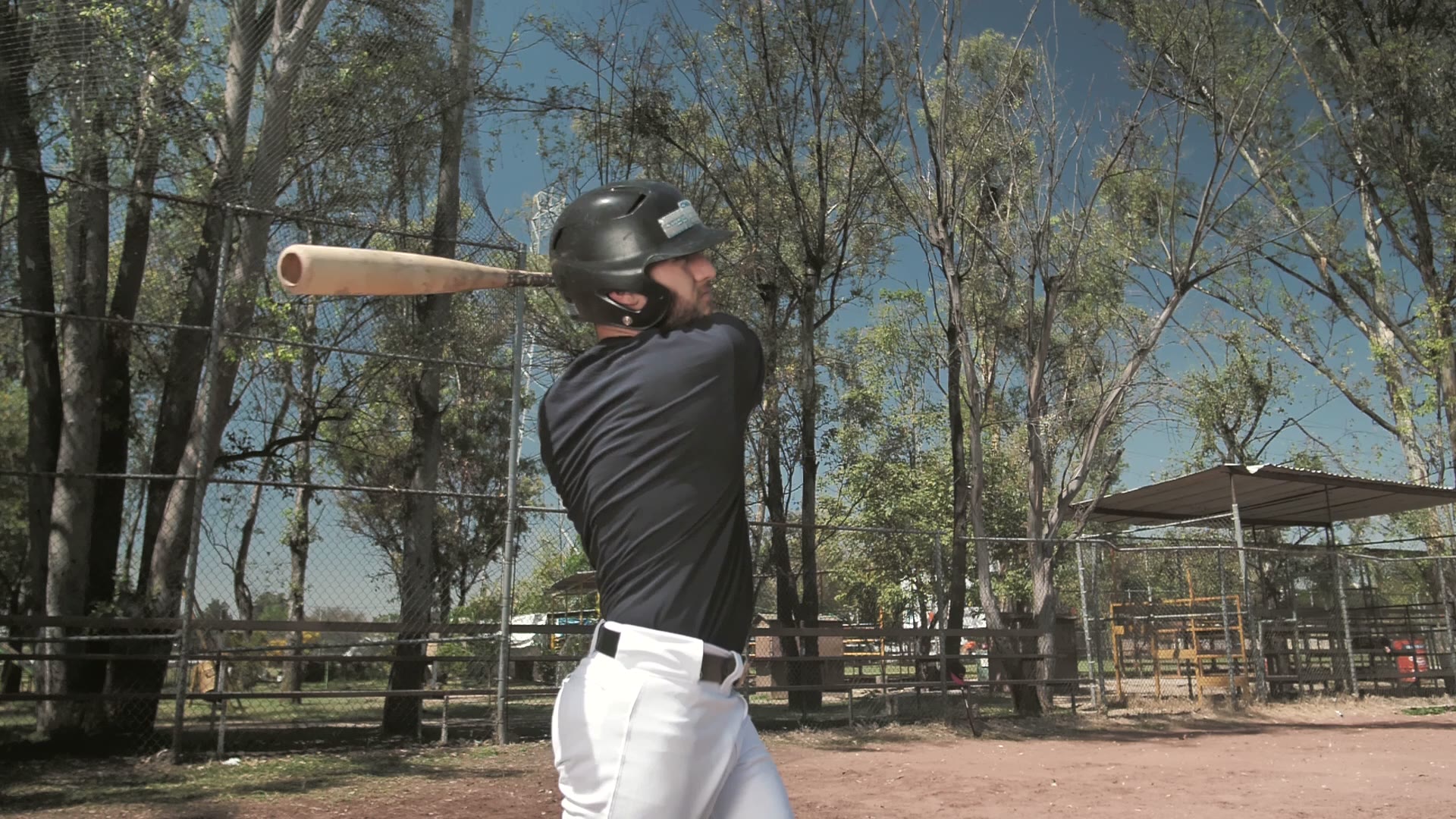

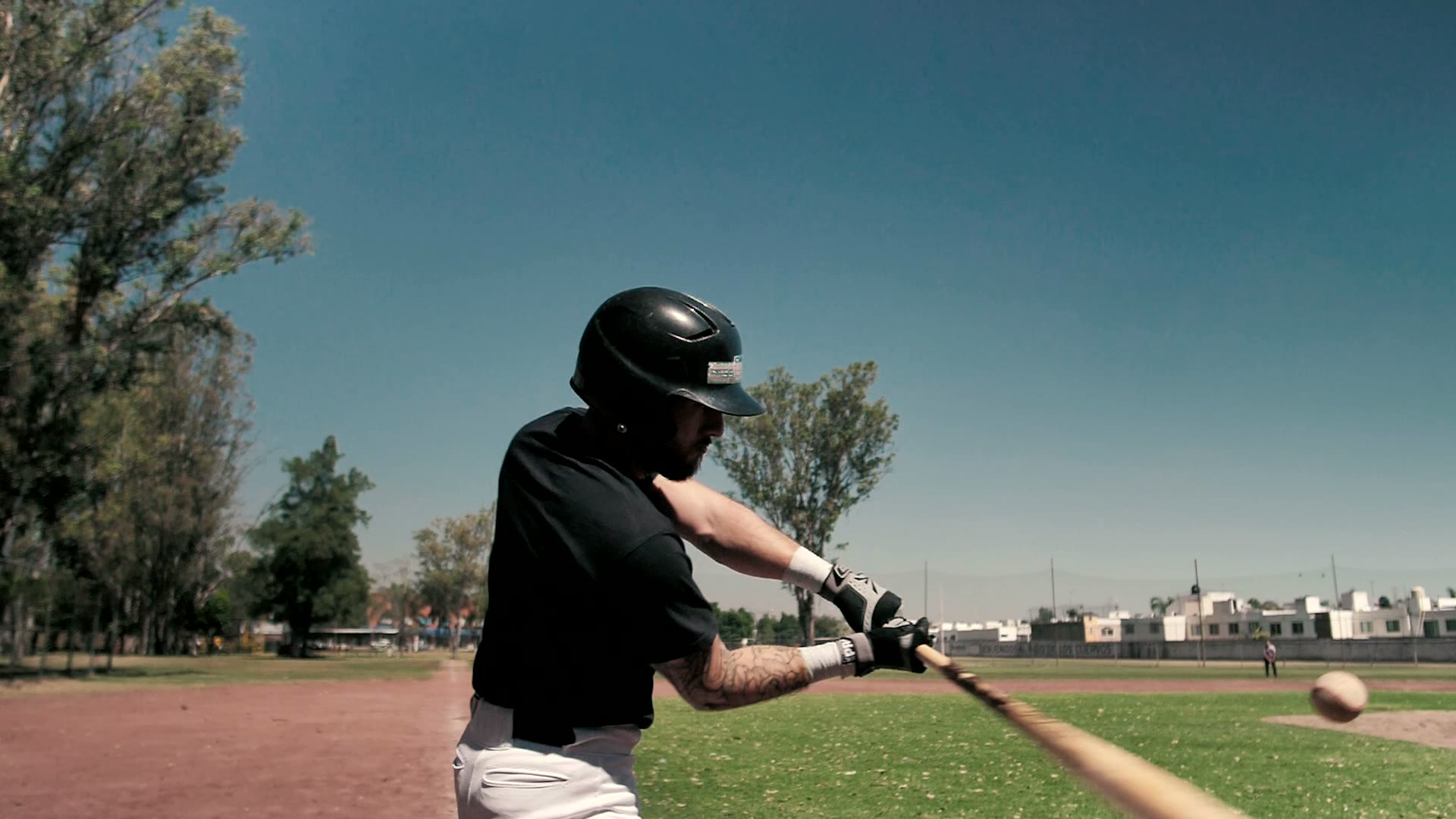
To increase exit velocity in baseball, you need two things: more bat speed and better contact. Bat speed comes from using the ground and rotating the body in sequence, not from swinging harder with the arms. Contact quality comes from timing, meeting the ball on the barrel at the right point in front of the plate.
Most young hitters chase the first part and forget the second. In our baseball hitting lessons, Coach Cinz works on both, because a fast swing that arrives late or catches the ball off the end of the bat will not produce hard contact.
What is exit velocity?
Exit velocity is how fast the ball leaves the bat after contact. Systems like HitTrax measure it on every swing. It is one of the clearest signs of how hard a hitter is hitting the ball, and hard-hit balls give fielders less time to react.
But exit velocity is a result, not a skill on its own. It reflects bat speed, where the ball meets the barrel, and whether the swing lines up with the path of the pitch. Improve those and the number follows.
Where does baseball hitting power come from?
Bat speed is how fast the barrel moves through the zone. In general, more bat speed means more potential exit velocity, but only if contact is square. A hitter who swings hard and mishits the ball can produce a lower exit velocity than a hitter with a smoother swing who finds the sweet spot.
That is why Coach Cinz does not just tell hitters to “swing harder.” He looks for where speed is being lost:
- No load: the hitter starts from a dead stop, with nothing stored to release.
- Arms first: the hands fire before the hips and torso, so the big muscles never help.
- Long path: the barrel drops or casts away from the body, which slows it down and makes it late.
- Poor balance: the hitter lunges forward or falls off, so energy leaks out instead of going into the ball.
How to increase exit velocity off a tee
The tee is the best place to start because it takes timing out of the picture for a moment. You can focus on sequence and contact. Try this progression:
- Contact point check: set the tee slightly in front of the front hip. Take easy swings and focus on line drives back up the middle. Notice where the ball jumps off the bat.
- Load and go: add a small load, hands back and weight into the back leg, then swing. Feel the difference between swinging from a stop and swinging from a load.
- Hips before hands: take slow swings where the back hip starts turning before the hands move. Then speed up while keeping the same order.
- Move the tee: inside pitches are hit further out in front, outside pitches a little deeper. Hit each location with the same intent.
- Intent rounds: finish with a short set of full-effort swings. Quality over quantity; stop when the swing gets sloppy.
For more drills you can run in the garage or backyard, see our list of hitting drills you can do at home or off a tee.
Why timing is the hidden piece
A hitter can build a great swing on a tee and still hit the ball softly in games. The difference is timing. If the front foot lands late, the barrel is still catching up when the ball arrives. If the hitter starts too early, they roll over or pull off the ball.
Coach Cinz considers timing the most important part of hitting. Good timing lets the hitter make contact out in front, where the barrel is moving fastest. If the swing is long or the load is late, read our guide on how to fix a long swing and timing problems.
Strength helps, but it is not the first fix
Stronger athletes can create more force, and age-appropriate strength and mobility work is useful for older players. But for most young hitters, the quickest gains come from cleaning up sequence, balance and timing. Adding strength to an inefficient swing just produces a stronger inefficient swing.
Check the bat, too. A bat that is too heavy or too long slows the barrel down. Pick a bat the hitter can control through the whole swing.
Test it against live pitching
Tee and front-toss results are a starting point. The real question is whether hard contact shows up against live pitching. For players 16 and older, Beat the Coach puts that to the test: four charted live at-bats against Coach Cinz, with results tracked by HitTrax. Get two hits and you get your money back.
Get a plan built around your swing
Every hitter loses speed in a different place. The best way to find yours is the free Benchmark Process: answer a few goal questions online, measure your current metrics with the coach, and get a plan built around your goals. Start your Benchmark, or learn more about our baseball hitting lessons in Naperville.