
The best baseball training plan for an 8-year-old is short, fun and consistent: two or three home sessions of 15 to 30 minutes a week, on top of team practice, with at least a couple of rest days. Each session should touch throwing, catching, fielding or hitting, and end before your child gets bored.
This plan uses the same fun-first approach we bring to youth baseball training for kids at Coach Cinz Baseball. Adjust it to your child’s energy and goals.
What is a good baseball training program for an 8-year-old?
- Short beats long. Eight-year-olds learn best in bursts. Stop while they still want more.
- One cue at a time. Pick one thing to work on in each skill, not five.
- Make it a game. Targets, scores and challenges keep kids engaged.
- Protect the arm. Follow the MLB/USA Baseball Pitch Smart guidelines, build in rest days, and never throw through pain.
A sample week
Here is a simple week for a player on a rec or house-league team. Swap days around to fit your schedule.
- Monday: Rest or free play.
- Tuesday: Home session A (throwing and fielding), 20 minutes.
- Wednesday: Team practice.
- Thursday: Home session B (hitting and running), 20 minutes.
- Friday: Rest.
- Saturday: Game day.
- Sunday: Optional fun session or a family game of catch.
Home session A: throwing and fielding (20 minutes)
- Warm-up (3 min): Jog, skip, arm circles and a few side shuffles.
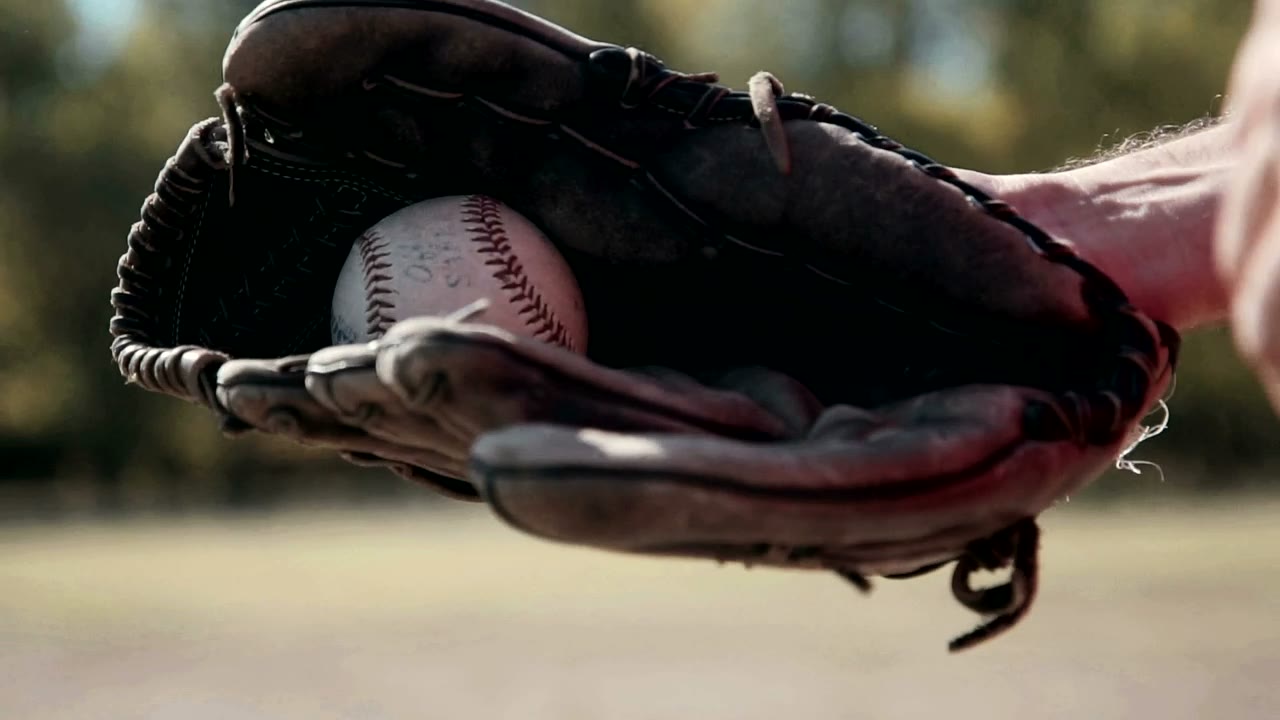
- Target catch (7 min): Play catch from a short distance. Your child steps toward you and aims for your chest. Count how many in a row hit the target.
- Ground balls (7 min): Roll balls to your child. They get low, reach the glove out front, and bring both hands together. Start straight at them, then move to each side.
- Fun finish (3 min): Pop-ups with a soft ball, or a quick race to the fence.
Footwork is a big part of what we teach in fielding and infield training, and these basic drills are where it starts.
Home session B: hitting and running (20 minutes)
- Warm-up (3 min): Dynamic stretches and a few easy swings.
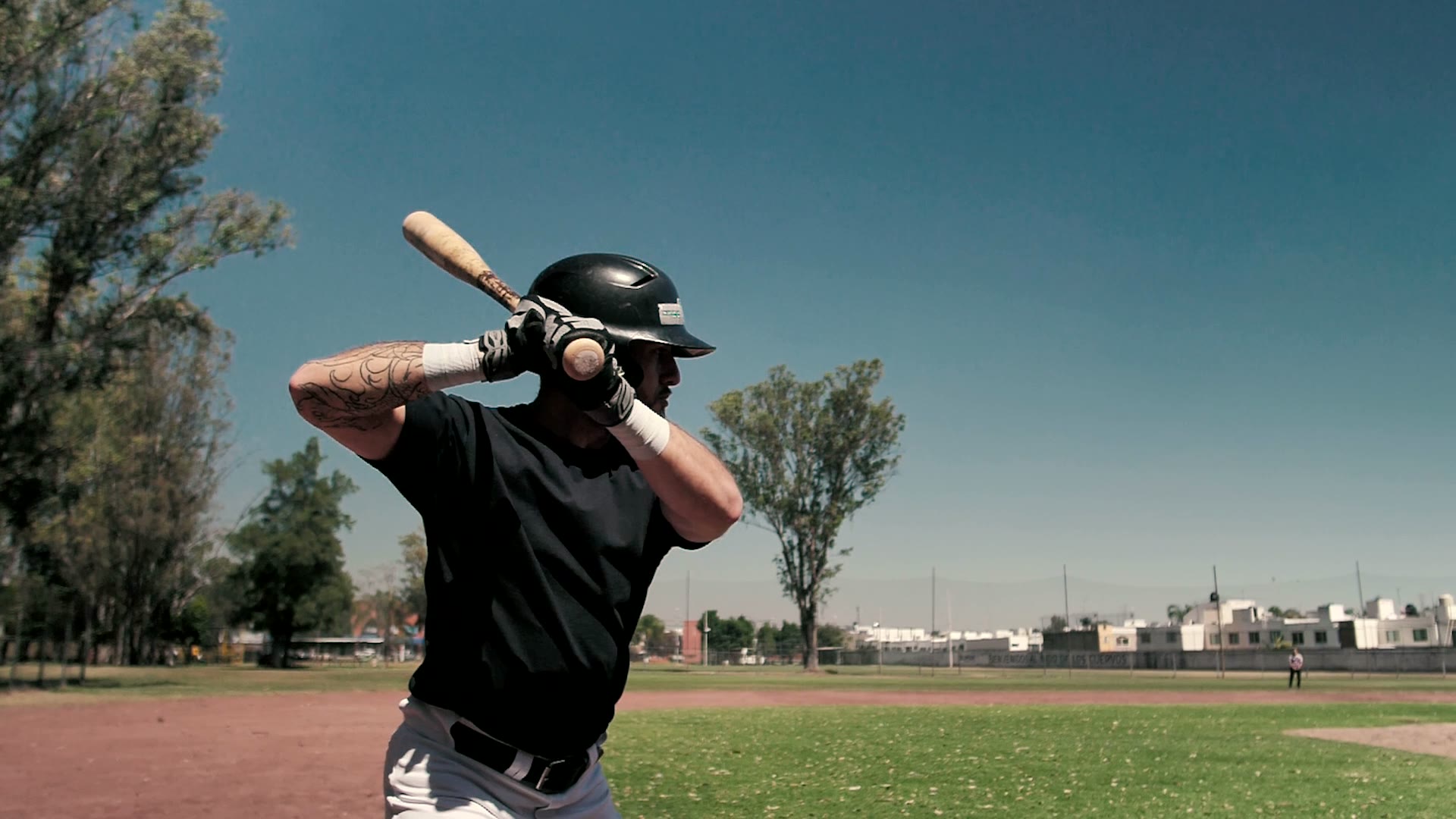
- Tee work (7 min): Balanced stance, small load, swing through the ball. Aim for line drives into a net or fence.
- Soft toss (6 min): Toss wiffle balls from the side. This builds timing, which Coach Cinz considers the most important part of hitting.
- Base running (4 min): Run hard through first base, then practice rounding first toward second.
How to progress month by month
Keep the structure the same and change the challenge a little at a time:
- Month 1: Learn the basic movements. Keep distances short and praise effort.
- Month 2: Add a little distance to catch and move ground balls farther to the sides.
- Month 3: Add simple games, like counting clean ground balls in a row or hard-hit balls off the tee.
If a drill frustrates your child, go back a step. Progress is not a straight line at this age.
Signs the plan is working
You will not see big changes every week, and that is normal. Look for small signs instead: throws that reach you on a line more often, fewer ground balls sneaking under the glove, and swings that stay balanced from start to finish. The best sign of all is a child who asks to practice. If sessions start to feel like a chore, shorten them or turn more of the drills into games.
Where the mental game fits
Confidence grows from small wins. Finish every session with something your child did well, and set goals they control, like “good, balanced swings” instead of “get three hits.” Our guide on how to build confidence in a young baseball player goes deeper.
Where lessons fit in
A lesson every week or two gives your child a clear focus for home sessions. Coach Cinz explains the “why” behind each adjustment, so kids know what they are practicing and why it matters. Many families start with the free Benchmark, then book 30-minute private lessons. If you want feedback between lessons, Video Analysis lets you send a clip of a skill and get drills back.
Wondering whether your child is ready at all? Read what age kids should start baseball lessons. For setup ideas, see how parents can help their child practice at home.
Get a plan built for your child
This sample plan is a starting point, and a personal plan is even better. Learn more about youth baseball training with Coach Cinz, then start the free Benchmark so Coach Cinz can build a plan around your child’s goals.